They are the pictures that replaced 1,000 words, but have emojis improved our communication skills?
Our brains are now processing emojis as emotional communication and not words – changing our mood to match the pictograph we are sending or receiving

Communication today is as simple as a speedy WhatsApp, a “like” on Facebook or a meme over iMessage.
People can see when friends were last online and if messages have been read. The need for instantaneous communication, simplified to a single emoji, is the norm.
But is the emoji a development or deterioration in communication?
In 1999, Shigetaka Kurita, part of the team working on NTT DoCoMo’s i-mode, a mobile internet platform for Japan’s biggest mobile phone operator, realised digital contact lacked emotion and left room for miscommunication. He created the emoji. “E” meaning “picture” and “moji” meaning “character”, in Japanese.
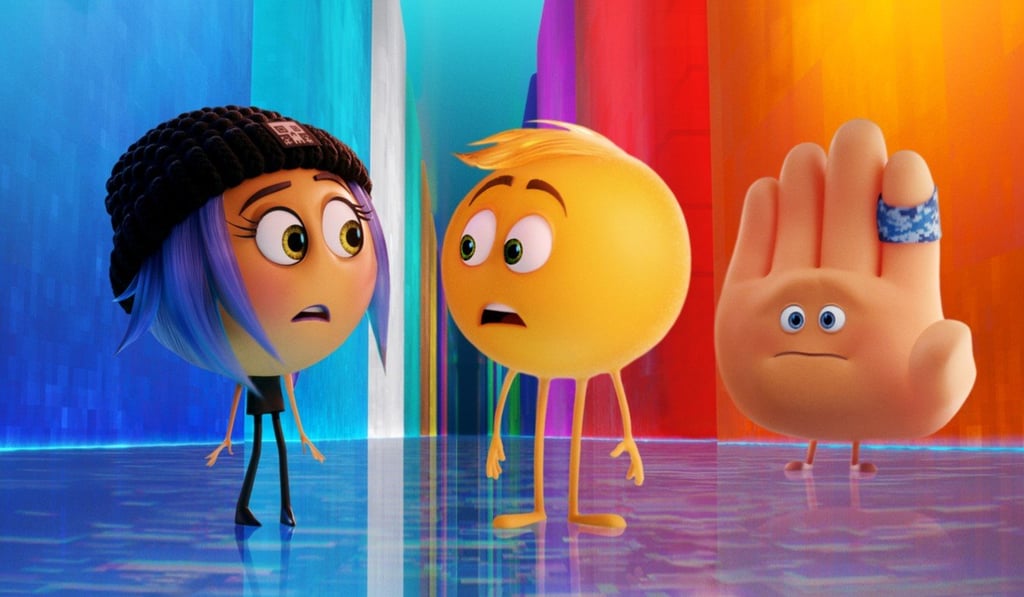
Apple tapped into the market in 2007 and created an emoji keyboard for Japanese iPhone users. By 2011, they offered emojis internationally.
And by 2015, 74 per cent of Americans were using them, with an average of 93 per day.