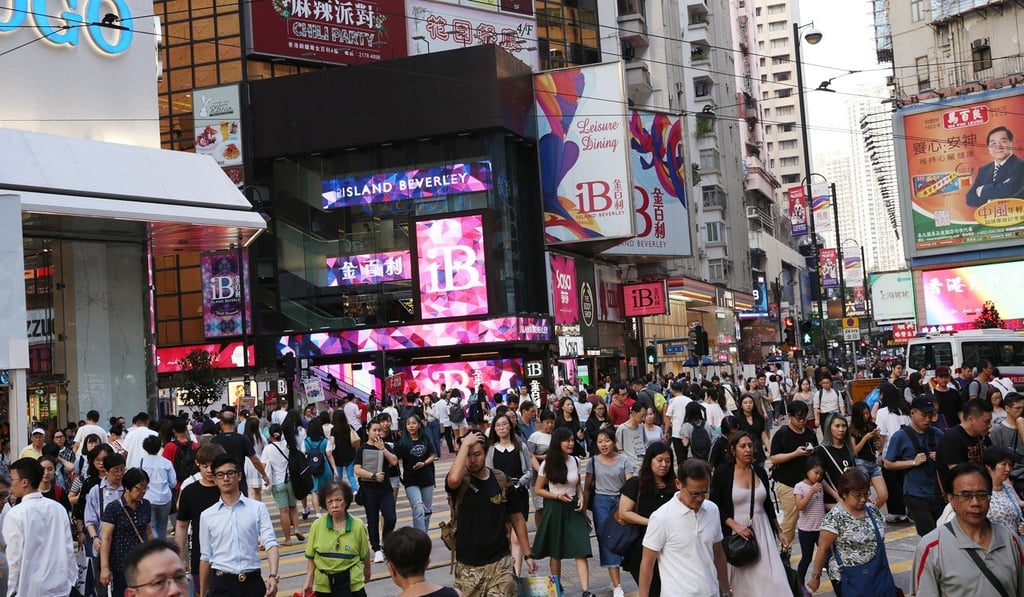
Glowing pains: the hidden environmental cost of LED lights
As Hong Kong, along with many other places, slowly shifts to the more energy efficient lights, some wonder if they really are the better option

Advances in technology over the years have left a variety of ways to light our homes and offices. For years, the only choice for indoor lighting was an ordinary, power-hungry incandescent bulb. But today an increasingly common go-to is the energy-saving light-emitting diode, or LED.
As LED lights become more popular, environmentalists warn that, while they may consume less energy, their brightness could add to cities’ light pollution.
The screen was installed on the front of Sogo department store and has a surface area of around 1,400 square metres, making it one of the largest LED screens in Asia.
“LED lights are not entirely environmentally friendly,” Dr Jason Pun Chun-shing, a principal lecturer at the University of Hong Kong’s physics department, says. “If people think they consume less energy and therefore keep the lights on for a longer period, there’s actually not much difference from using incandescent light.”