Will Xi Jinping’s promise of Chinese state support for Hong Kong scientists spur innovation, or stifle it?
Researchers show palpable excitement about the new possibilities open to them, but others fear for academic freedom

For the last decade, microbiologist Chen Honglin has been trying to develop a new flu vaccine with his colleagues at the University of Hong Kong’s emerging infectious diseases laboratory.
But even though the lab is considered one of China’s 250 or so State Key Laboratories – institutes Beijing relies upon to conduct scientific research crucial to national development – Chen has struggled to recruit the best scientists.
Money has been the main challenge for the lab he co-founded in 2005, after the deadly outbreak of severe acute respiratory syndrome (Sars) hit the city two years earlier.
Currently it is largely funded by Hong Kong’s Innovation and Technology Commission, which since 2012 has given it HK$5 million (US$637,000) annually.
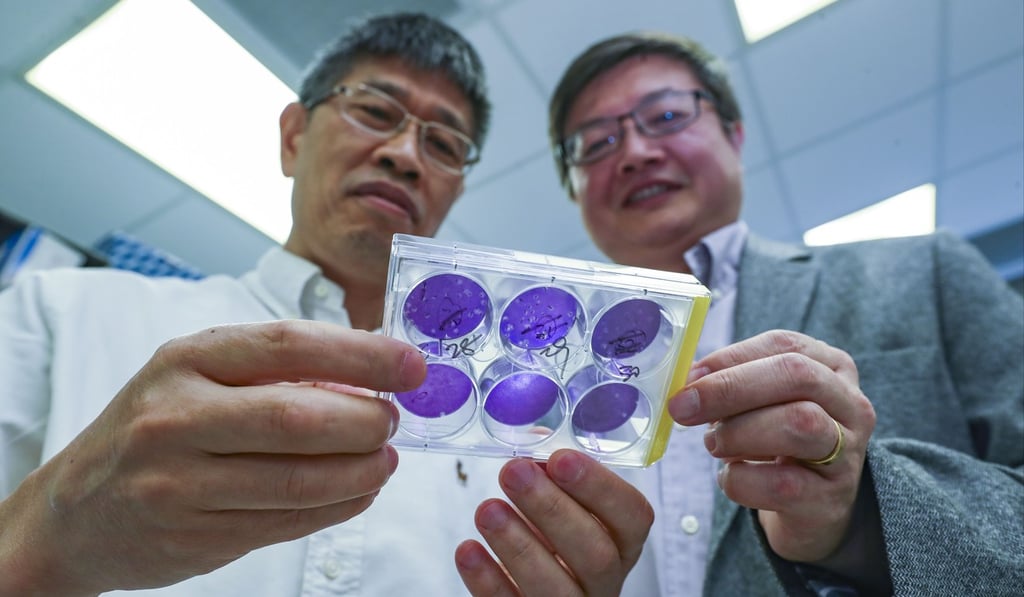
Chen said it saddened him to see Hongkongers felled by the flu, with public hospitals flooded by those seeking treatment. This winter cold fronts hit the city several times, and from January to March there were 570 adults and 20 children who came down severely ill from the flu. Of these, 382 adults and two children died.
“Flu outbreaks have [worsened] just as Hong Kong’s population is ageing. With better vaccines, there could still be outbreaks and deaths, but at least it will be controllable … and not as serious,” Chen said.