Macau, ‘Las Vegas of Asia’, trades in casino chips for microchips as part of China’s tech ambitions
It might be known more for its games of chance, but behind all the neon there is work being done in state-level laboratories that could provide a game-changing push in Beijing’s bid to challenge the US in technological superiority

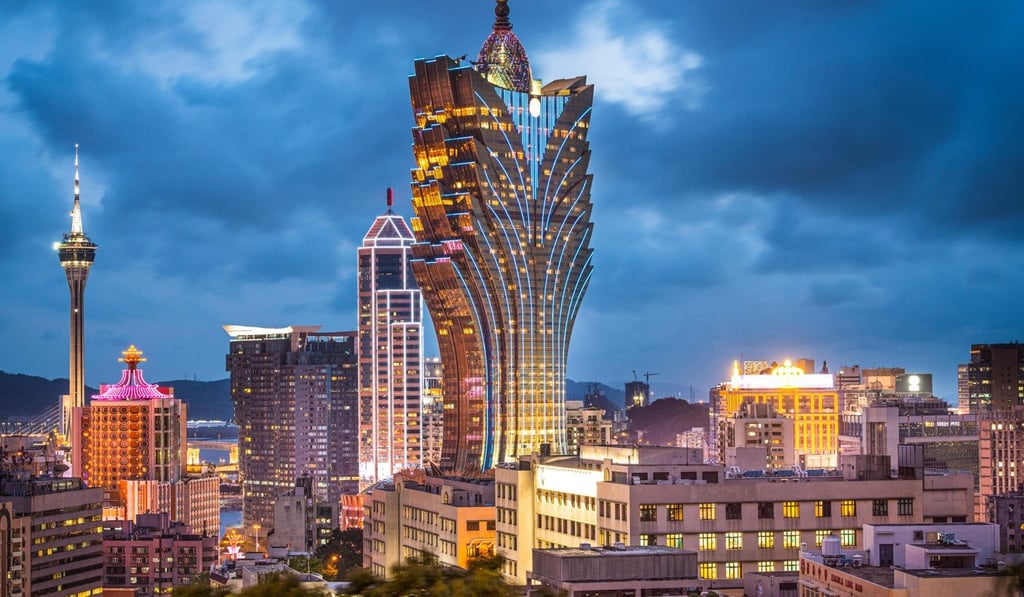
With its skyline at night awash in fantastic neon colours, complete with its landmark Macau Tower, the iconic Grand Lisboa hotel and a replica Eiffel Tower, it is no wonder the city is known globally as the “Las Vegas of Asia”.
But behind the glitz and kitsch of China’s casino city, strait-laced scientists are spending long nights in Beijing-backed laboratories working to help the country become less reliant on foreign technology. Their latest project is a microchip that will allow smartphones to recharge batteries in other gadgets.
“Macau is best known for its casino chips, now it is also known for its electronics chips,” said Rui Martins, the vice-rector for research at the University of Macau, which plays host to the city’s two State Key Laboratories – institutes that China relies on to conduct scientific research crucial to national development.
Macau money chiefs order UnionPay clampdown over illicit mainland China cash fears
The former Portuguese enclave is most famous as the world’s gambling capital, but on the outskirts of the Cotai strip, there are several laboratories that could provide a game-changing push in China’s ambition to challenge the United States’ technological superiority in areas ranging from chips to the cosmos. They could also help the city in its struggle to fulfil Beijing’s wish to diversify its economy, which is heavily dependent on gaming.
Last year, the Macau government’s total revenue was US$14.6 billion, and 85 per cent came from taxes from gaming.