Hong Kong graft-buster calls for more power to probe misconduct at highest levels
Anti-corruption watchdog says a change in legislation is necessary as current law makes it tough for officers to gather evidence of alleged wrongdoing by officials

A senior officer at Hong Kong’s anti-corruption watchdog has called for enhanced legislation to grant it more power to investigate claims of misconduct, as he looked back at the successful operation to put the city’s former No 2 official behind bars.
ICAC Director of Investigation (Government Sector) Ricky Yu Chun-cheong said the graft-buster had always hoped that the Independent Commission Against Corruption Ordinance could be reviewed in light of the offence of conspiracy to commit misconduct in public office, which was used in Hong Kong for the first time in the High Court drama of 2014.
He called for changes that would allow the ICAC to exercise the same power during a misconduct investigation as it did when tackling corruption.
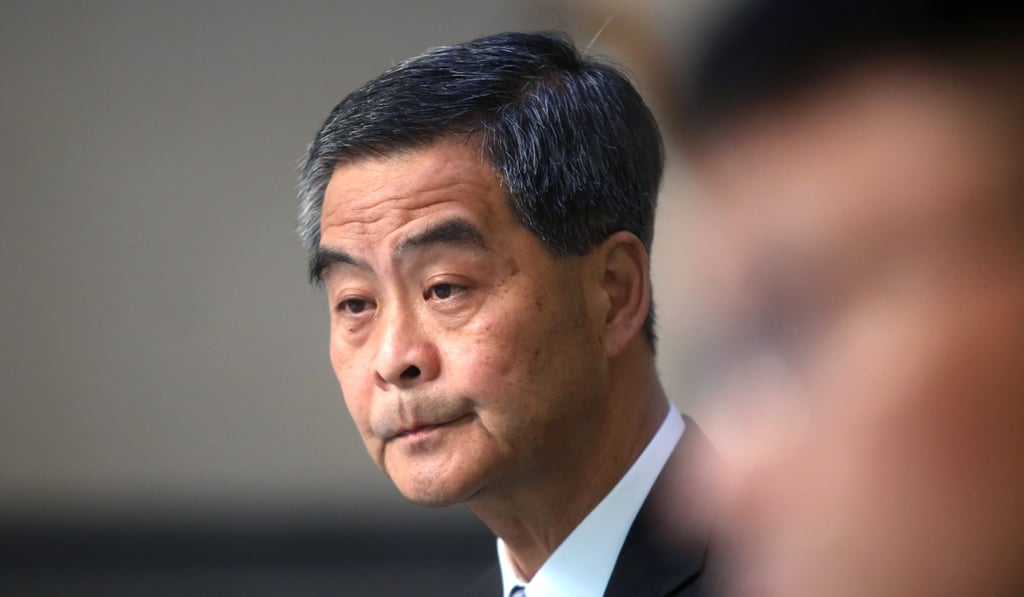
Yu’s call was echoed by some lawmakers and lawyers, though others cautioned that such a legislative change should only follow a consultation.
Hong Kong leader Leung Chun-ying admits intervening in probe into HK$50 million payment
At the moment the anti-graft watchdog can only conduct searches and make seizures when it receives complaints of a corrupt or dishonest nature, as well as election fraud and obstruction of justice. These crimes are listed in section 10 of the ordinance that governs the agency.