Six things to know about Hong Kong’s controversial ‘co-location’ joint checkpoint scheme
Top legislative body in China approves legal foundation for the plan to be implemented

The standing committee’s endorsement was required because under the checkpoint “co-location” proposal, mainland Chinese officers will be unprecedentedly given almost full jurisdiction over part of the West Kowloon terminal leased to them.
Since the Hong Kong government unveiled the proposal in July, its legal basis has remained unclear, and has been hotly debated among officials, legal experts and legislators.
Officials and pro-Beijing figures also said the endorsement offered an “unchallengeable” legal foundation for the checkpoint plan to be implemented.
1. What is the “co-location” arrangement all about?
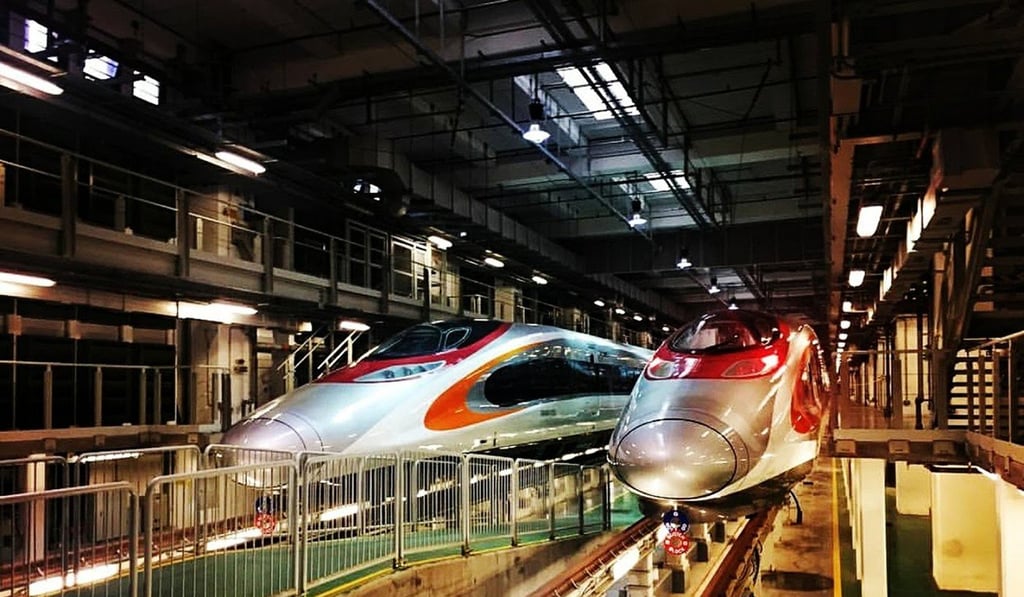
The 26km Hong Kong section of the Guangzhou-Shenzhen-Hong Kong Express Rail Link cost HK$84 billion to build. After it is opened in September next year, it will form part of the 20,000km national high-speed rail network, and is expected to massively improve the connectivity between Hong Kong and many mainland cities, especially those in southern Guangdong province.