Cash handouts or infrastructure? Hong Kong politicians disagree on how next budget can help elderly
Some argue massive surplus should go towards long-term investment, while others say low-income residents would benefit from having the money now

Hong Kong lawmakers across the political spectrum have urged the government to spend its massive surplus wisely in its coming budget blueprint by investing heavily in medical and elderly care infrastructure, which they say has failed the city’s seniors.
But the Civic Party’s Dr Kwok Ka-ki and Federation of Trade Unions’ Alice Mak Mei-kuen were split on whether Financial Secretary Paul Chan Mo-po should offer cash handouts to Hongkongers when he delivers his annual budget next Wednesday.
Kwok, speaking on an RTHK programme on Monday, said Chan should make full use of the surplus to strengthen the city’s medical system in view of the fast-ageing population. Almost one in every three Hongkongers will be aged 65 or above by 2041.
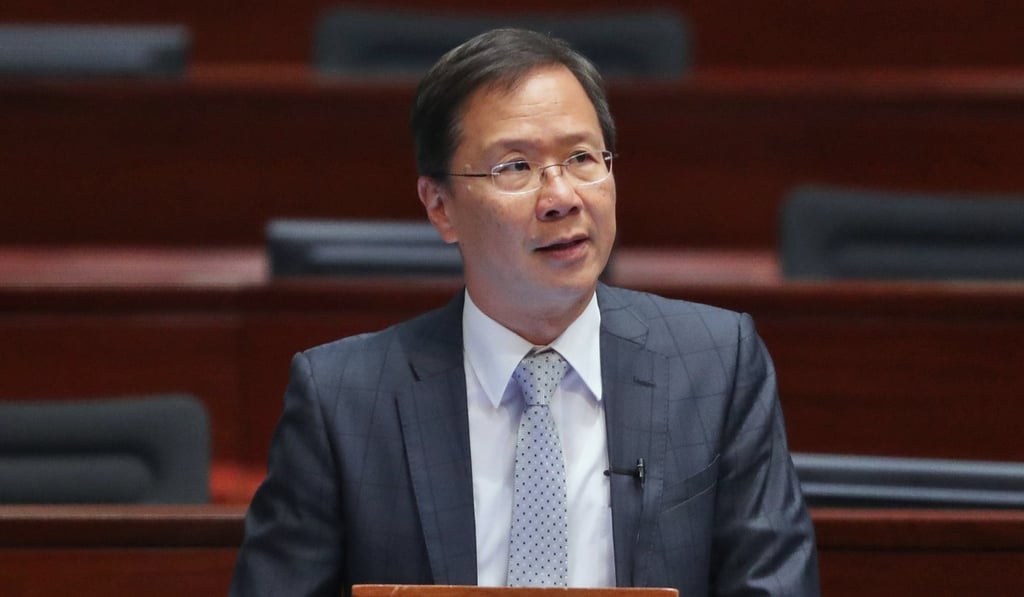
“The government has not offered senior residents a free yearly body check [in the past], and that does not make sense,” Kwok said, adding that this could be done via a HK$1,000 voucher that would allow elderly people to get annual check-ups at public or private clinics. “Why doesn’t it adopt such a simple measure?”
He said the development of primary care in Hong Kong had not improved over the past decade, meaning residents ended up in hospital when their problems could have been solved at the community level.