Advertisement
A look at Hong Kong’s rioting laws after the jailing of Edward Leung and Lo Kin-man for their roles in the Mong Kok unrest
Following the controversial sentencing of the former Hong Kong Indigenous spokesman, the Post looks back at where the offence of rioting comes from, and how it has previously been adopted by the city’s courts
Reading Time:3 minutes
Why you can trust SCMP

Hong Kong’s High Court on Monday handed down two of the most severe jail terms to date for those involved in the Mong Kok riot, including sentencing the face of the protest and former Hong Kong Indigenous spokesman Edward Leung Tin-kei to six years.
Leung’s co-defendant, Lo Kin-man, 31, was jailed for seven years, making him the most severely punished offender since the offence of rioting was introduced in the Public Order Ordinance in 1970.
Since the violent protests on the first day of the Lunar New Year in 2016, 91 people have been arrested and a tally by the Post shows 24 have been convicted or pleaded guilty to charges including rioting or assaulting.
Advertisement
Why was the offence of rioting introduced in the first place?
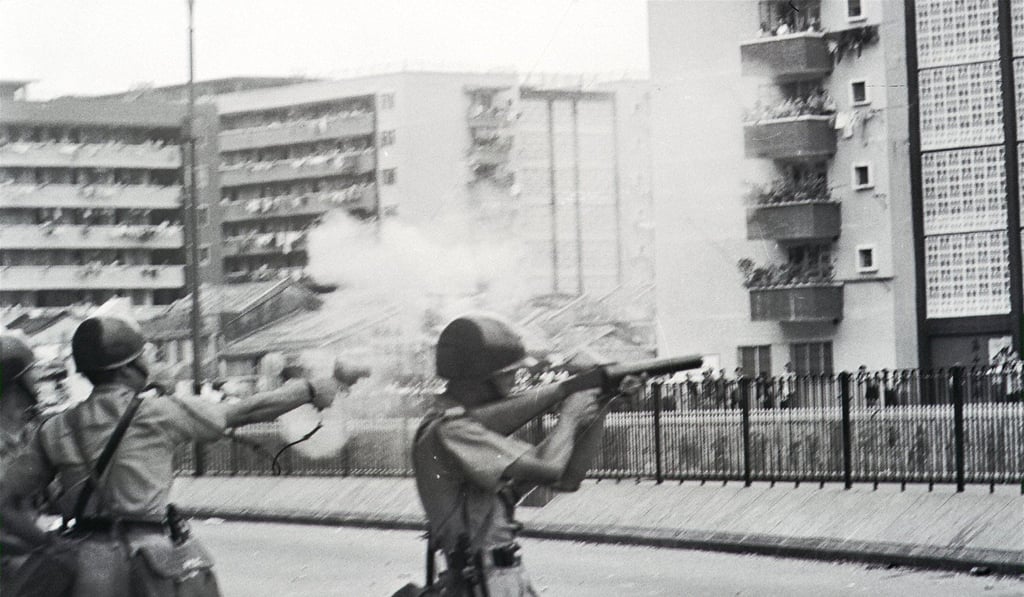
In the latter stages of the eight-month long riots in 1967, where bloody clashes and bombings in busy streets killed at least 51 and injured more than 800, the British colonial government sought to revise the Public Order Ordinance in relation to public assemblies and introduce the offence of rioting.
Advertisement
Advertisement
Select Voice
Choose your listening speed
Get through articles 2x faster
1.25x
250 WPM
Slow
Average
Fast
1.25x