Worldwide study links air pollution to ‘substantial risk’ of premature births

A pregnant woman’s exposure to air pollution has adverse effects on her fetus, according to a new international study, with prolonged exposure associated with nearly 1 in 5 premature births globally.
The study, published recently in the journal Environment International, is the first global estimate of preterm births associated with pollution caused by fine particulate matter. This matter, known as PM2.5, is identified by the size of the microscopic particles and droplets it contains (2.5 micrometers in diameter or less), and it can reach deep into the respiratory tract.
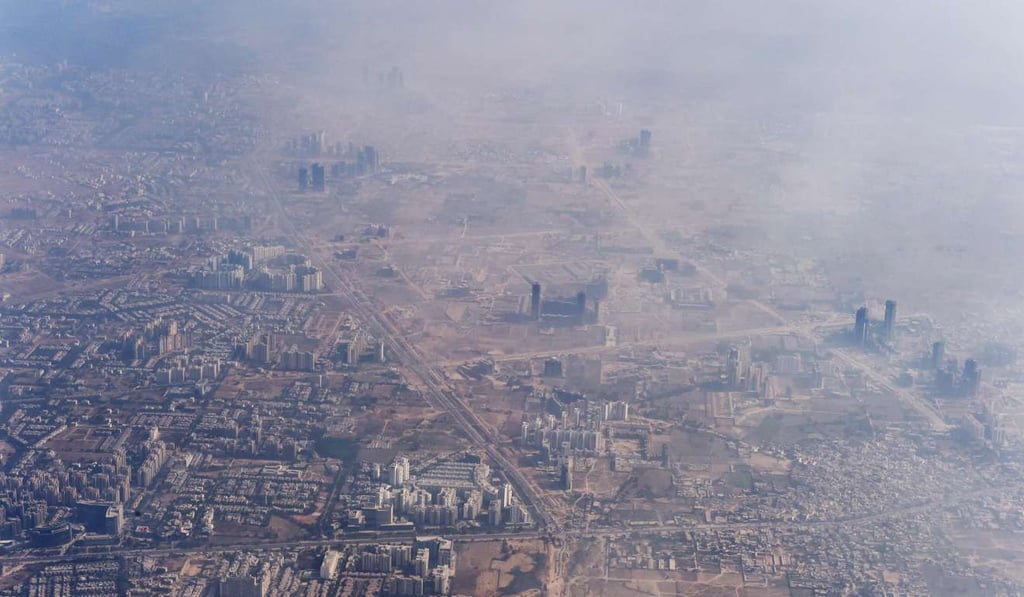
Based on data from 183 countries, a research team from the Stockholm Environment Institute at the University of York extrapolated the impact of maternal exposure to different levels of outdoor pollution on preterm birthrates.
The researchers concluded that PM2.5 was a “potentially substantial global risk factor” for a baby being born earlier than 37 weeks of gestation – a point in pregnancy that increases the risk of infant mortality and physical and neurological problems.
The team calculated that in 2010, exposure to PM2.5 was strongly associated with 18 per cent of preterm births globally, or about 2.7 million premature births. The majority of those births were in South and East Asia, the Middle East and North Africa and West sub-Saharan Africa. Poverty, inadequate prenatal care and a mother’s age are among the other factors that also can raise the likelihood of preterm births.