Superheroes might save the world, but they’d probably wreck the environment in the process
‘Batman drives around a car that literally shoots fire out the back. That has to be terrible for the environment’

At first glance, Miles Traer seems like any other scientist at the annual meeting of the American Geophysical Union. He wears an oversized identification badge on a lanyard around his neck and can discuss at length the role of water in planetary landscape transformation.
But this Stanford University geologist has an alter-ego. Like a real-life Captain Planet (minus the blue skin, plus a deep knowledge of data science) he beats back the forces of environmental destruction and holds the super-powerful to account.
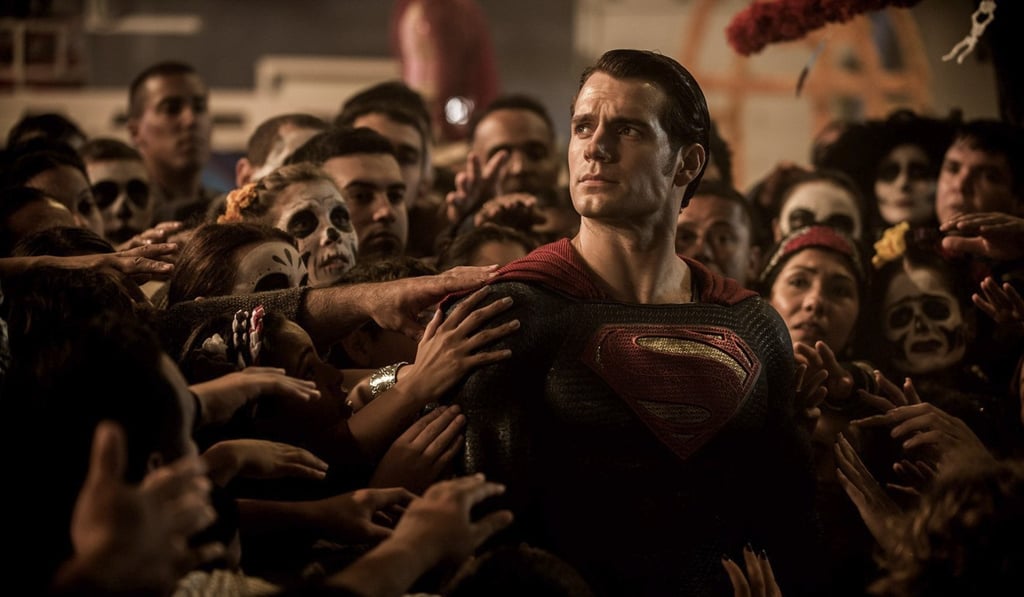
The results are enough to make several people wince as they walk past Traer’s presentation in AGU’s cavernous poster hall. According to Traer’s research, most superheroes would use up hundreds of times more fossil fuels than the average American.
If I calculate my own carbon footprint, that’s a bummer. But if I calculate it for Batman, things get interesting
Barbara Gordon, the computer wizard also known as Oracle, is by far the worst offender: Even if her servers ran on a combination of clean energy sources – nuclear, hydroelectric, solar, wind and geothermal – running them would still release more than 600,000 tonnes of carbon dioxide per year.