British Museum accepts donation of exquisite Chinese ivories. Does it send the wrong message?
The museum has defended the acquisition of the 556-piece collection, acquired by the Shanghai hotelier Sir Victor Sassoon

The British Museum has defended its decision to accept a donation of more than 500 “exquisite” Chinese ivory figures, saying it did not mean it condoned the ivory trade.
The museum revealed on Wednesday that it had accepted the gift of 556 ivory items acquired in the early 20th century by Sir Victor Sassoon, the famed Shanghai-based businessman and hotelier who died in 1961.
The intricately carved figures of gods and goddesses, and desk items such as brush-washers and water-droppers, are mostly from the 18th or 19th centuries.
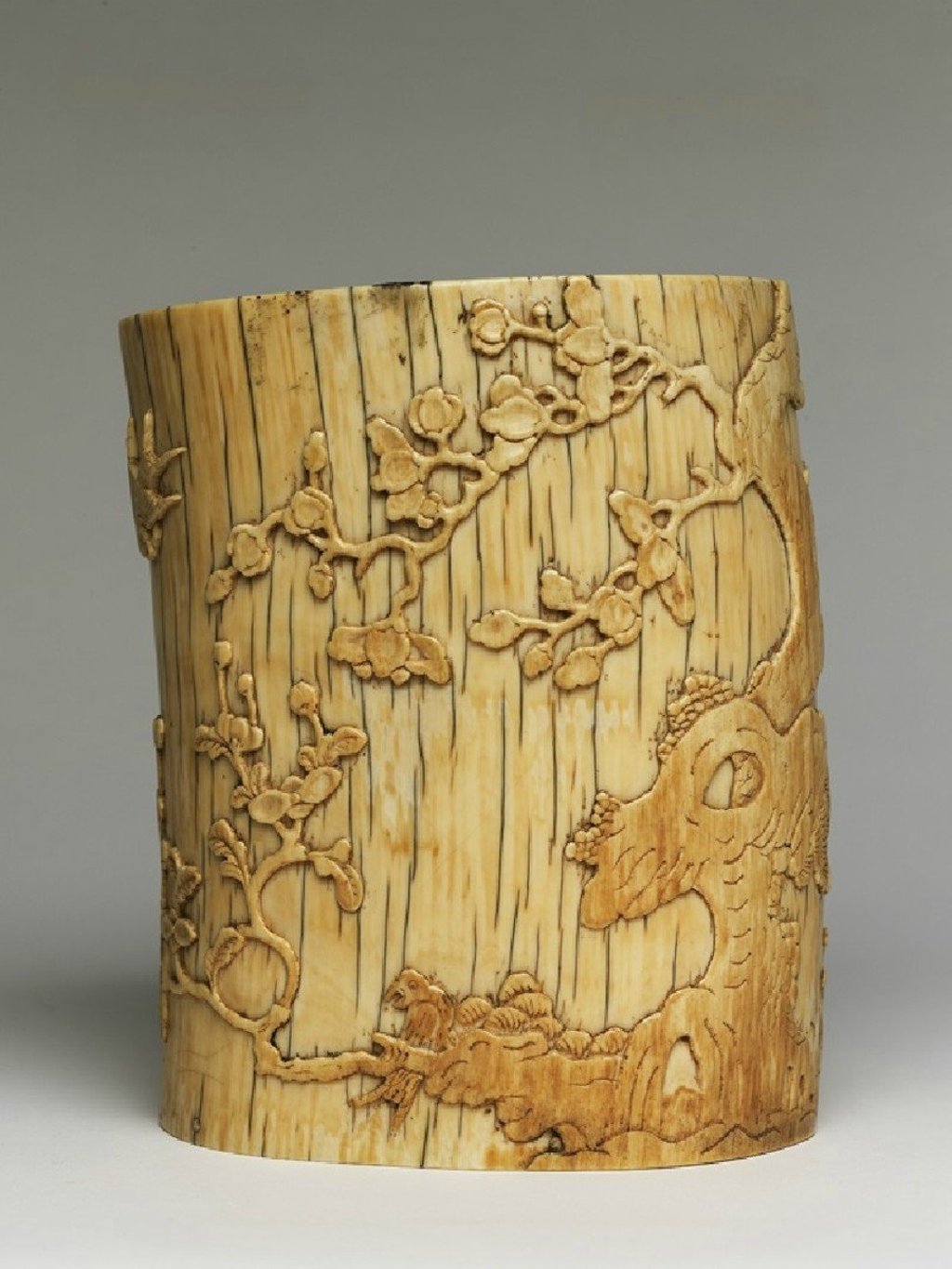
The UK government is currently steering through parliament a ban on ivory sales that it says will be the strictest in the world. Exemptions in the legislation will allow museums to acquire historic ivory objects that have a cultural value.
Asked whether accepting the Sassoon ivory sent out the wrong message, Fischer said the museum “fully and unreservedly” supported banning the ivory trade worldwide. He pointed out that the collection was historic: “They exist … and they do not save any elephant’s life today.”
The figures have been in the UK since the 1950s and looked after by a trust, whose members were keen to wind down the operation.