What sanctions? UN paid US$18m to Syrian firms linked to Assad
Spending included U$$9.5m at a hotel co-owned by Syria’s tourism ministry, while other contracts were awarded to regime insiders

The United Nations paid at least US$18 million last year to companies with close ties to Bashar al-Assad, some of them run by cronies of the Syrian president who are on US and European Union blacklists.
Contracts for telecommunications and security were awarded to regime insiders including Rami Makhlouf, Assad’s cousin. UN staff ran up a US$9.5 million bill at the Four Seasons hotel in Damascus, co-owned by Syria’s tourism ministry, according to the UN’s annual report on procurement for 2016, a 739-page document published in June. Some UN money even went to a charity set up by the president’s wife.
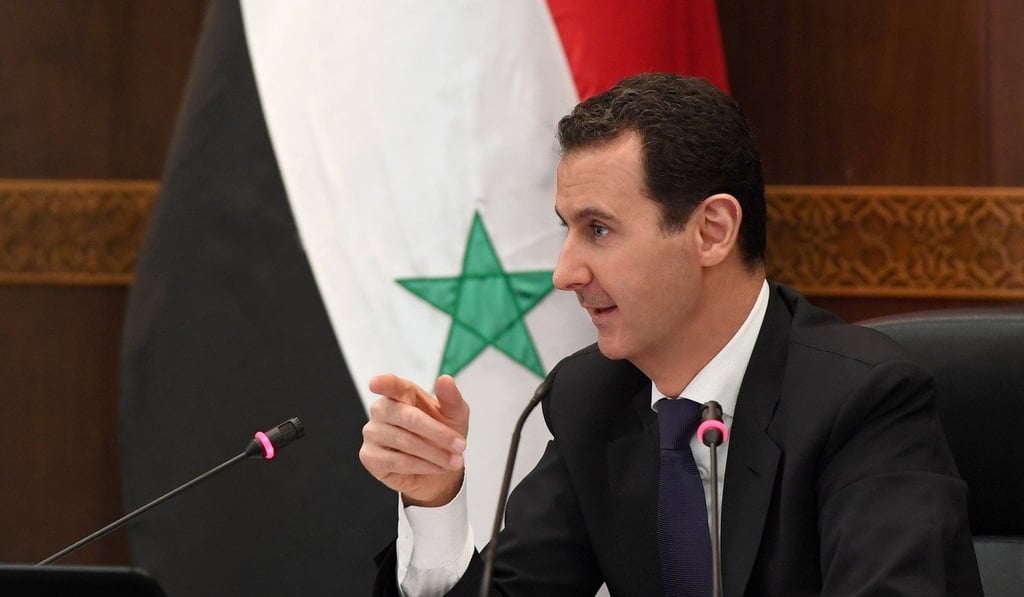
UN bodies have repeatedly condemned the conflict’s atrocities. Western and Arab nations put most of the blame on Assad, yet the veto power wielded by Russia, a supporter of the Syrian regime, has prevented the UN Security Council from endorsing tougher action or adding Assad cronies to its blacklist.
“Any money going to Assad and his allies shows that the UN is not impartial but is in fact helping the largest player in the conflict,” said Kathleen Fallon, a spokeswoman for The Syria Campaign, an independent advocacy group. “The regime has been responsible for the majority of the deaths, and they are being rewarded. It sends the wrong message.’’
UN officials point to the difficulty of operating outside the auspices of governments in countries such as Syria, and the premium placed on protecting its staff. In 2003, when the US invasion of Iraq had begun evolving into a civil war with parallels to the Syrian conflict, UN envoy Sergio Vieira de Mello and several members of his staff were killed by a car-bomb attack on the Baghdad hotel they were using as a base.