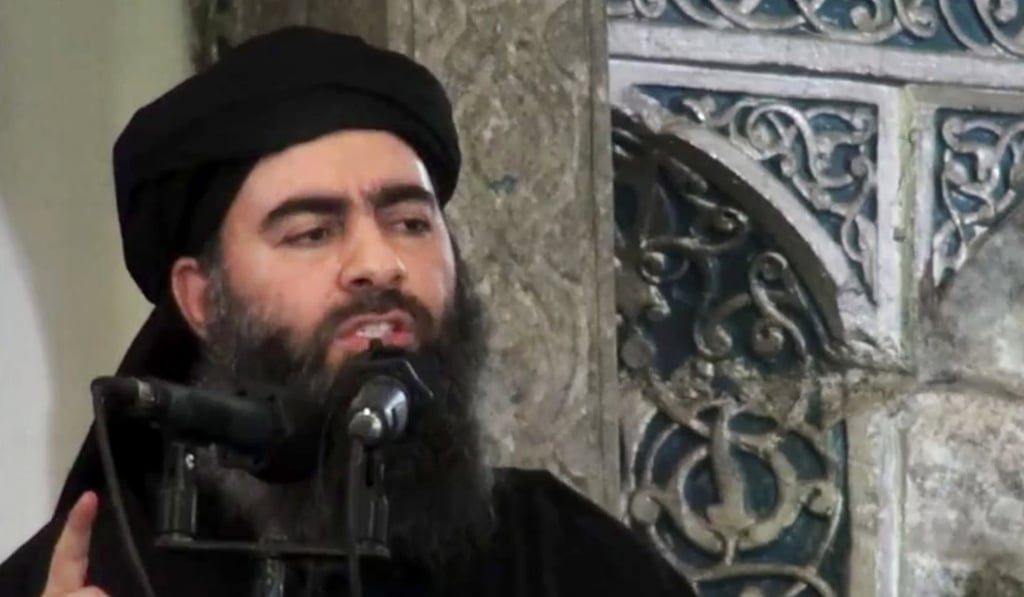
Islamic State may soon be defeated in Iraq and Syria but a “virtual caliphate” could be harder to conquer, experts and officials have warned.
The extremist propaganda machine will continue to exist in hidden corners of the dark web, inciting sympathisers to action, they say.
“Defeating [IS] on the physical battlefield is not enough,” General Joseph Votel, the top commander for US military forces in the Middle East, warned in a paper earlier this year.
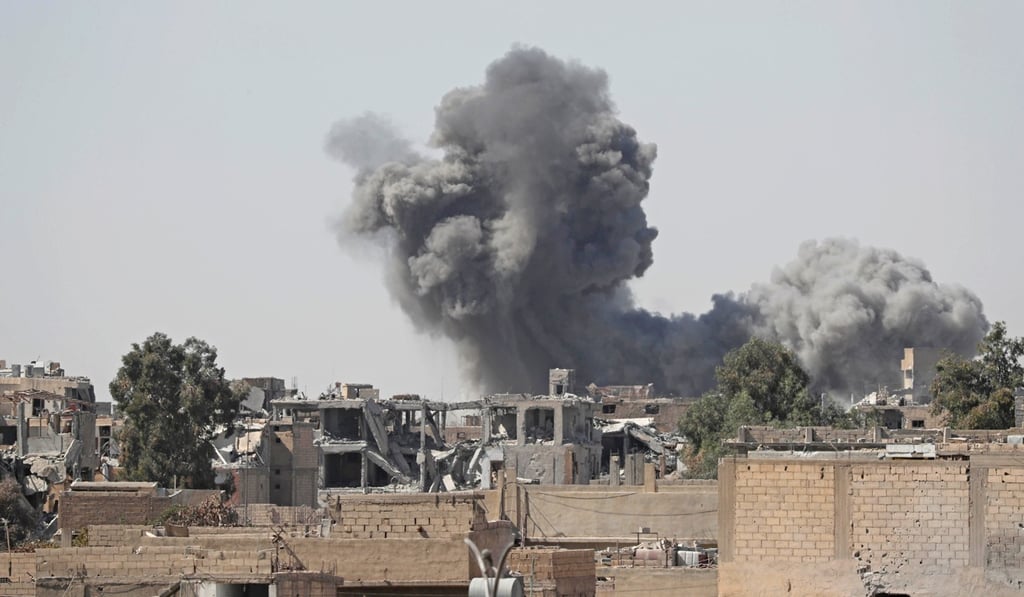
“Following even a decisive defeat in Iraq and Syria, [IS] will probably retreat to a virtual safe haven – a virtual caliphate – from which it will continue to coordinate and inspire external attacks as well as build a support base until the group has the capability to reclaim physical territory,” said Votel.
He described this online network as “a distorted version of the historic Islamic caliphate: it is a stratified community of Muslims who are led by a caliph (currently Abu Bakr al-Baghdadi), aspire to participate in a state governed by sharia, and are located in the global territory of cyberspace.”