Like a cut-and-paste tool for DNA, gene editing is pushing back the boundaries of science

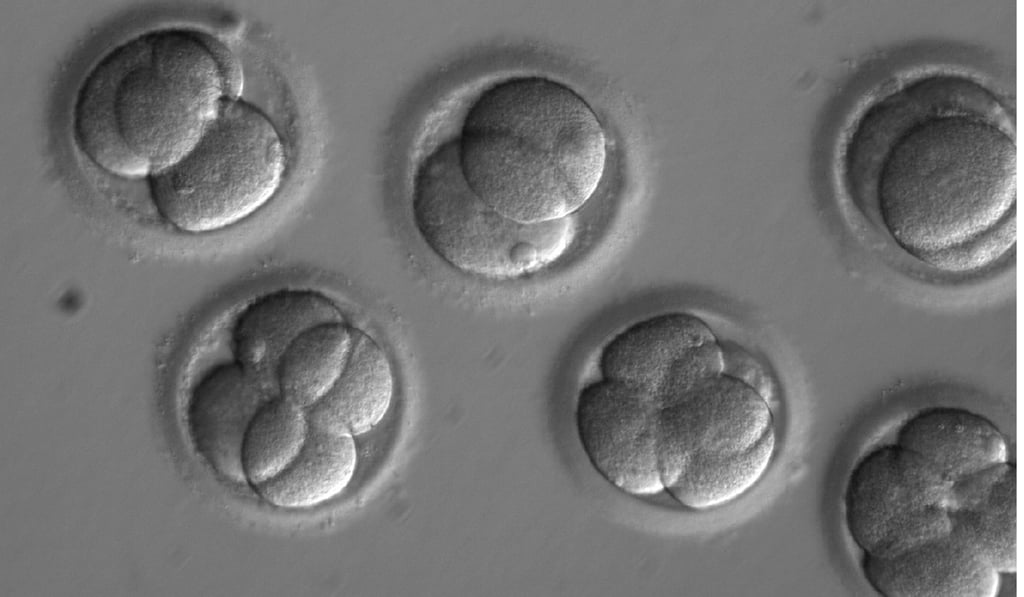
Gene editing is getting fresh attention thanks to a successful lab experiment with human embryos. But for all the angst over possibly altering reproduction years from now, this technology already is used by scientists every day in fields ranging from agriculture to drug development.
New gene editing tools let scientists alter the DNA of living cells — from plants, animals, even humans — more precisely than ever before. Think of it as a biological cut-and-paste program. A look at the science.
What is gene editing?
While scientists have long been able to find defective genes, fixing them has been so cumbersome that it’s slowed development of genetic therapies. There are several gene editing methods, but a tool called CRISPR-Cas9 has sparked a boom in research as laboratories worldwide adopted it over the past five years because it’s faster, cheaper, simple to use with minimal training and allows manipulation of multiple genes at the same time.
How it works
Pieces of RNA are engineered to be a guide that homes in on the targeted stretch of genetic material. The Cas9 is an enzyme that acts like molecular scissors to snip that spot. That allows scientists to delete, repair, or replace a particular gene.