How America’s embrace of Chinese culture boosts Beijing’s soft power
Interest in events such as Philadelphia’s lantern festival bodes well for vice-premier Liu Yandong’s US visit and the future of US-China cultural exchanges

Chinese culture is hot in the birthplace of America.
Next month, Philadelphia’s annual Chinatown night market opens. The one-day event that features food, handicrafts and traditional performances has grown from “a handful of vendors” to more than 50 and has seen attendance grow steadily since its inaugural year in 2010, according to organisers.
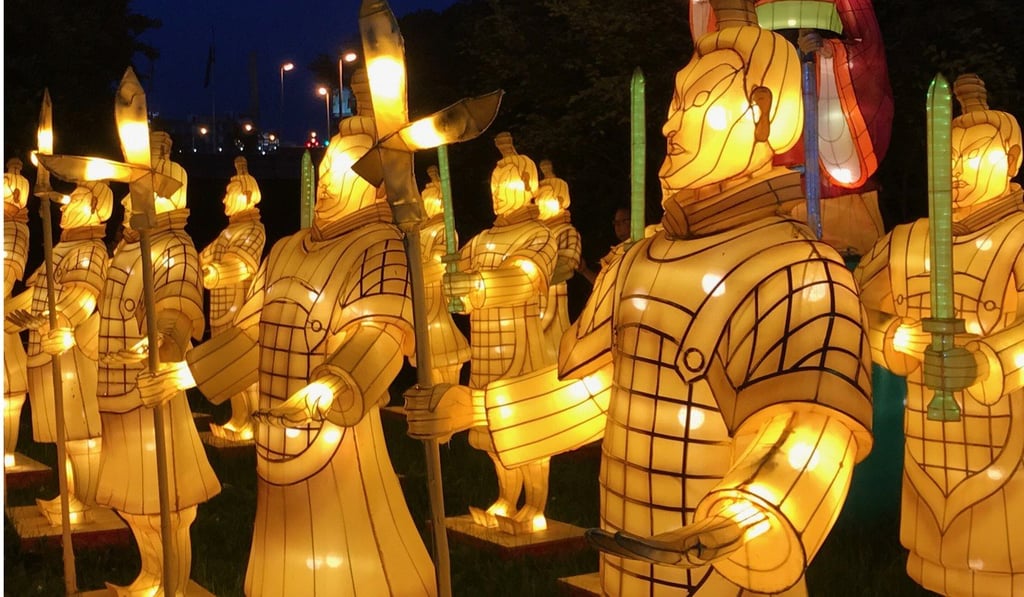
In June, coordinators of the second annual Chinese lantern festival had to extend the exhibition’s duration and opening hours to accommodate demand. Featuring a 200-foot undulating dragon and terra cotta soldiers among hundreds of lanterns big and small, the exhibition drew more than 20,000 people, each of whom paid US$25 to snap selfies among the illuminated figures.
Both events take place just a stone’s throw from Independence Hall, where America’s founding fathers signed the Declaration of Independence, a touchstone of the country’s cultural heritage. Traditionally, Chinese culture had never been as much of a draw in “Philly” as it has been in New York, a two-hour drive north, or in San Francisco.
But Philadelphia has become much more international in recent years, and Chinese culture – from special exhibitions like the lantern festival to living and working Chinese communities drawn from different parts of Asia – has helped diversify what used to be a city defined almost exclusively by its European- and African-descended communities.
“College and high school students have grown up with more Asian tastes, and a lot of business owners here are tapping into that,” said Lamei Zhang, a special projects associate at the Philadelphia Chinatown Development Corporation, which organises the lantern festival and the night market.