In a win for digital privacy, US top court rules warrants are required for mobile phone location data
In a 5-4 decision, Supreme Court finds the police practise of obtaining such information from telecoms without a warrant amounts to unreasonable search and seizure

The US Supreme Court imposed limits on Friday on the ability of police to obtain cellphone data pinpointing the past location of criminal suspects, a ruling that was a victory for digital privacy advocates and a setback for law enforcement agencies.
By a 5-4 vote, the court found that police generally need a court-approved warrant to gain access to the data, setting a higher legal hurdle than previously existed under federal law.
The court said that obtaining such data without a warrant from wireless carriers, as police routinely do, amounted to an unreasonable search and seizure under the US Constitution’s Fourth Amendment.
In the majority opinion written by Chief Justice John Roberts, the court decided in favour of Timothy Carpenter, who was convicted in several armed robberies at Radio Shack and T-Mobile stores in Ohio and Michigan with the help of cellphone location data that linked him to the crime scenes.
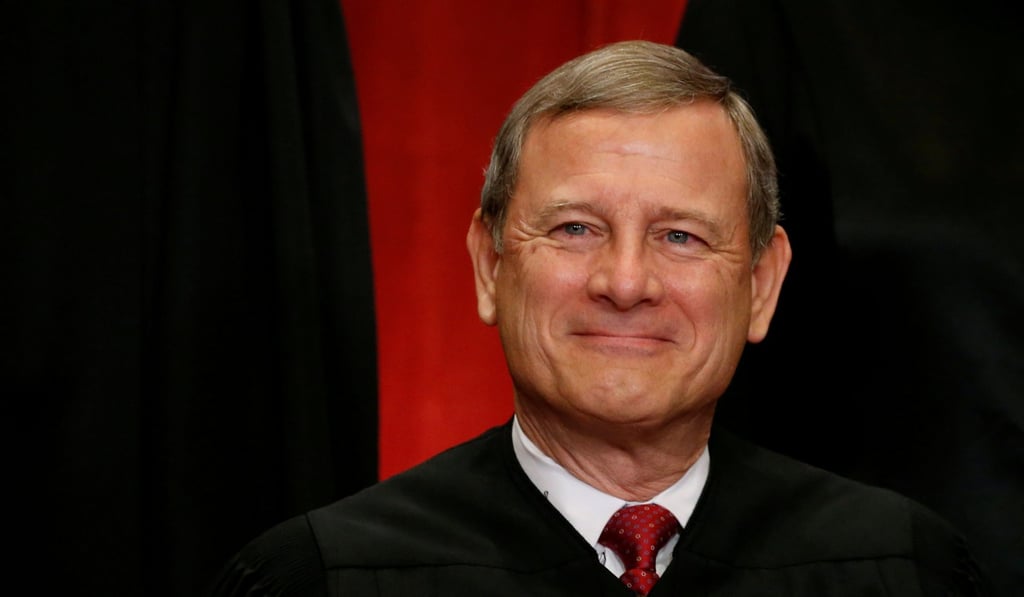
Roberts, a conservative, was joined by the court’s four liberal justices. The court’s other four conservatives dissented.