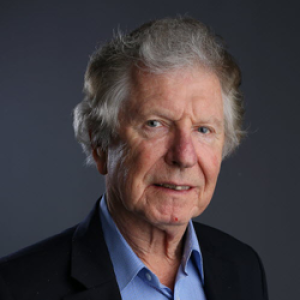
Hong Kong can lead East Asia in meeting ageing population challenge
Philip Bowring says if Hong Kong is to stay ahead, it must lead Asia, if not the world, to rise to the challenges of our time - and population ageing is an issue ripe for the picking

Now that we have Shanghai, all that [commerce] that remains at Canton has been the result of long invested capital and the superior intelligence and enlightenment of the people educated to large commercial transactions …"
Those words about the role of Hong Kong were uttered in 1858 by Rutherford Alcock, who had just ended 10 years as British consul in Shanghai and then Canton. They have strong echoes today as Hong Kong seeks to stay ahead of a city favoured by geography to be the one where the Chinese interior met the outside world.
It is investment in human capital and systems, as well as in advanced machinery and processes, that has enabled Hong Kong to stay ahead. But it now seems in danger of failing to lead the mainland.
Hong Kong has "invested capital" when it comes to finance, a superiority it can probably sustain if and when currency convertibility comes to the mainland. The legal system, likewise, has the "superior intelligence" to give the city a unique position.
But there are other areas where Hong Kong needs to show it is not merely a little more advanced than the mainland but in the van of global developments. Hong Kong's environmental failures make it a backward place in terms of air quality, efficient buildings, energy saving, and waste recycling and disposal. It is now probably two decades behind advanced European nations such as Denmark and a decade behind neighbours Singapore, South Korea and Taiwan.
The Leung Chun-ying administration is making some efforts but it will take many more billions of dollars and vastly greater political commitment before it can catch up, let alone be a leader. Catch up it must, but, meanwhile, it must find fields where it can lead and provide an example for the mainland.