Why modern master Pierre Paulin’s furniture is back in fashion
Sculptural yet comfortable, late Frenchman’s designs were based on technical research and not created just for aesthetic value

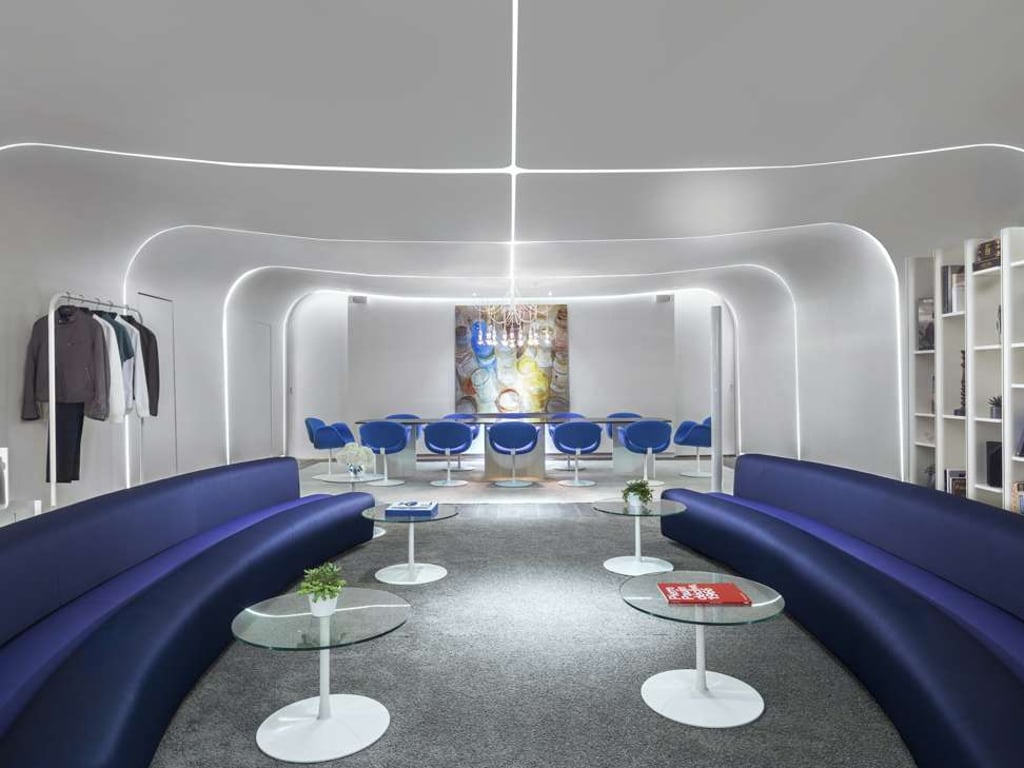
In 2014, when the fashion designer Nicolas Ghesquière seated guests on a series of 30 sinuous Pierre Paulin-designed Osaka sofas at one of his first runway fashion shows for Louis Vuitton, he inadvertently shone a spotlight on what was already a growing interest in the late French designer’s distinctive modern furniture created during a career that spanned almost 60 years from the early 1950s.
In the past decade or so, Paulin’s designs have regained covetability, with vintage models snapped up by galleries and auction houses and a 1966 prototype of the designer’s glamorous S-shaped La Declive reclining sofa reaching €300,000 (HK$2.53 million, US$326,000).
One of the most dedicated collectors is the designer’s own son, 38-year-old Benjamin, who, along with his French fashion designer wife Alice Lemoine, and his mother Maia Wodzislawska Paulin, founded Paulin, Paulin, Paulin in 2008 to help preserve and protect Paulin’s creative legacy.
“The greatest challenge for us,” says Benjamin, “is to ensure that my father’s 60 years of creation is recognised. During his career, he continually questioned his designs, reinventing himself every decade, so while some of his best-known creations happened to be realised during the ‘pop years’, he never saw himself as part of any one movement.”
Although attracted at the start of his career by the pure, clean lines of modernist works by designers such as Alvar Aalto, Eero Saarinen, and Charles and Ray Eames, Paulin had an idiosyncratic style that took the form of unapologetically modern, sculptural – yet comfortable – shapes created by stretching brightly coloured elasticated fabric over metal, plastic or wood. “He loved the Eames’ work,” Benjamin says. “Their work with materials like plywood was very inspirational.”