Will the US$106b freed from the reserve requirement cut flow to China’s struggling property developers?
The Chinese central bank’s move to cut the reserve requirement ratio by 50 basis points is part of a ‘targeted easing’

The Chinese central bank’s move to inject 700 billion yuan (US$106 billion) into the banking system through a reserve requirement ratio (RRR) cut will not help to ease liquidity concerns of property developers, as they will not be able to access the funds because of the heavy curbs imposed on them, say analysts.
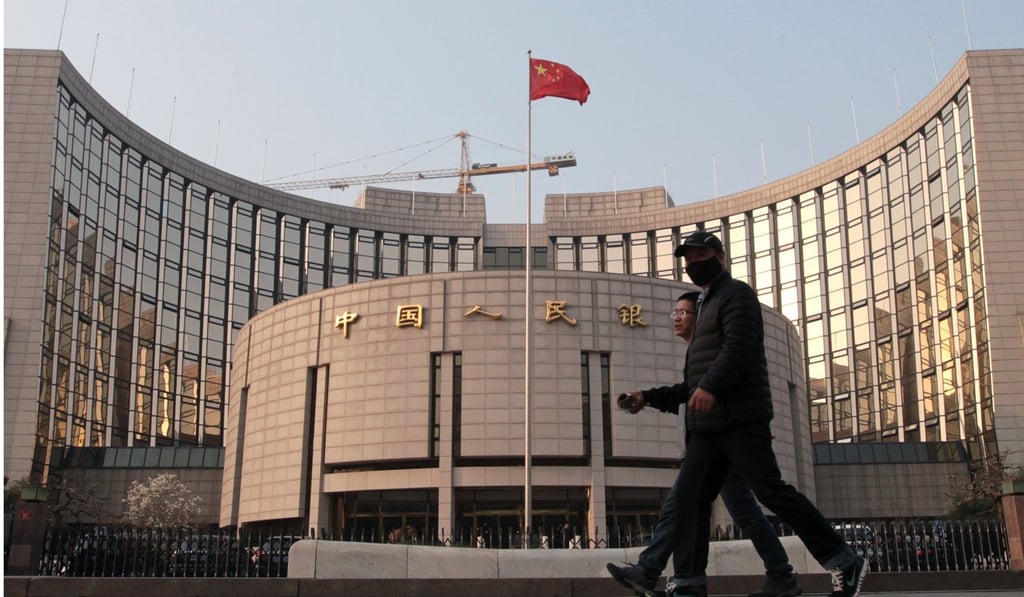
The People’s Bank of China announced a 50 basis points cut in the RRR over the weekend, which takes effect from July 5, as part of a “targeted easing”. This means the freed up funds can only be used to support the implementation of debt-to-equity swap programmes and small and micro-sized enterprises, instead of across the board easing.
Ron Thompson, managing director at professional services firm Alvarez & Marsal, said that although the RRR cut will increase banks’ total lending capacity, it will not have much of an impact on loans to the real estate sector.
“It does not necessarily change banks’ risk appetite. For the real estate sector banks have pretty set policy on who and how much they will lend to, and this is unlikely to change,” he said.