Playing for time: will China try to score early or leave it late in its bid to host the Fifa World Cup?
A week is a long time in football, so will China really have the patience to wait 20 years to realise its World Cup dream?

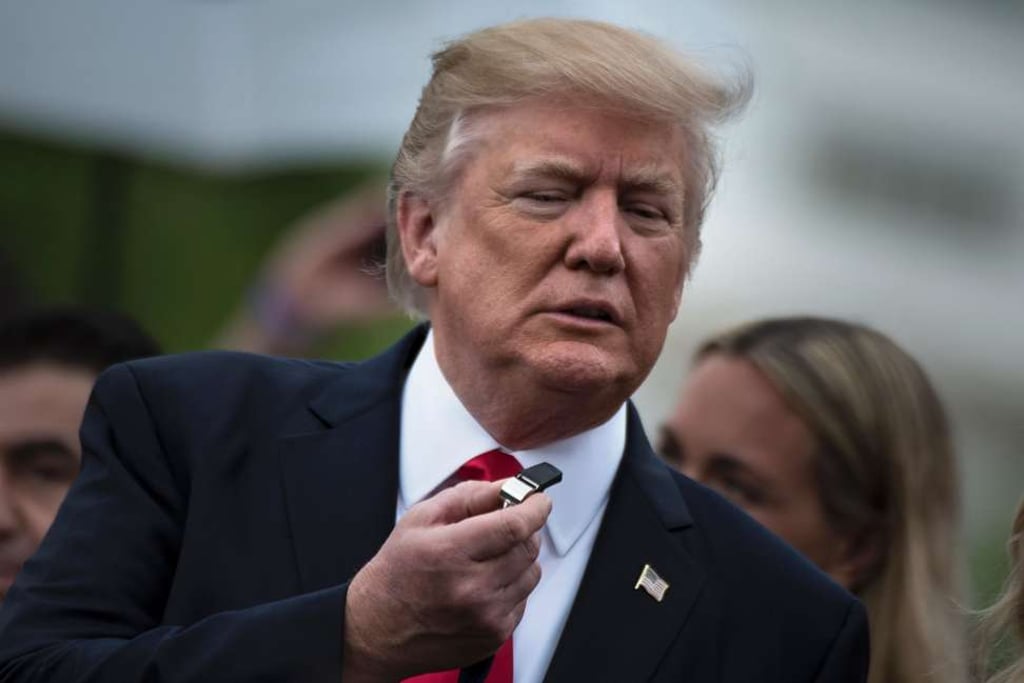
The United States, Canada and Mexico recently announced they will make a joint bid to host football’s 2026 World Cup. If successful, the countries would become the first to co-host the tournament since Japan and South Korea did so in 2002, and the first trio ever to stage football’s biggest national team competition. If Donald Trump survives for two terms in office, it would also presumably be a competition played against a backdrop of defensive walls (both on and off the pitch).
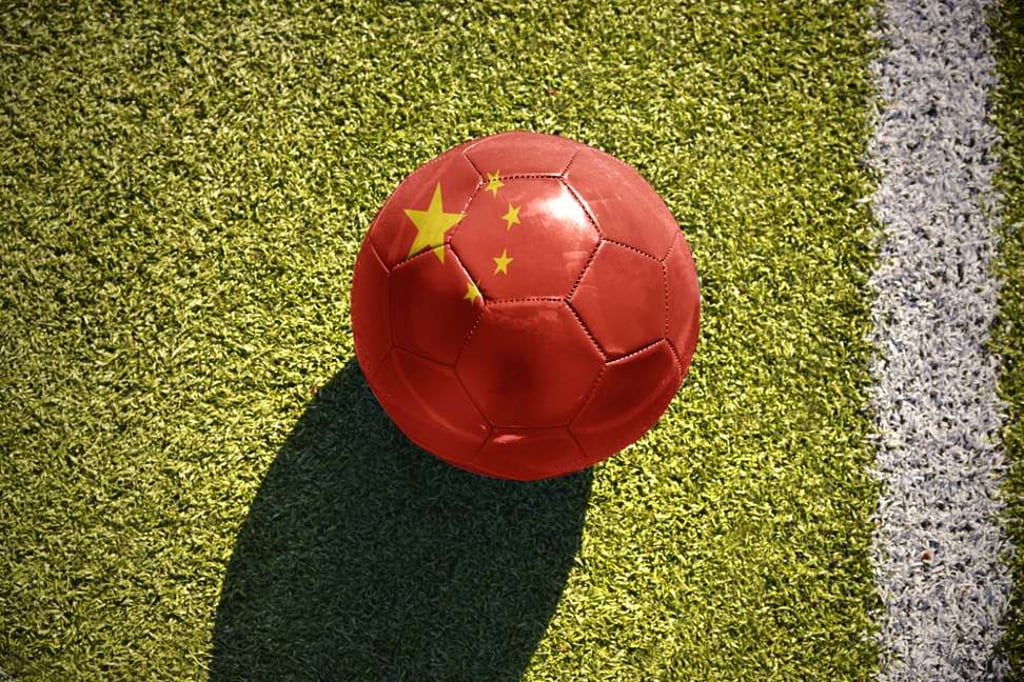
Or perhaps not? One country’s name now appears set to emerge whenever the World Cup bidding process is mentioned; indeed, it will continue to be mentioned until such time that the country eventually hosts the tournament: China. The country’s ambitions are clear: in its football development plan (published in 2016) becoming a leading Fifa nation, hosting the World Cup and winning the trophy by 2050 have been identified as key Chinese targets.
Furthermore, China’s corporations have been spending big on supporting Fifa in moves that have had a dual strategic purpose: to create a degree of financial dependence and to establish some control over decision-making networks. Dependence upon the Chinese has been built through a series of sponsorships, which Fifa acknowledges has rescued it from the financial mire inflicted by years of fighting organisational corruption. At the same time, the likes of Wanda has taken control of organisations such as Infront Sports and Media, key Fifa partners.