
Opinion | How One Belt, One Road is guiding China’s football strategy
China is aligning its football investments with a strategy to secure west Asian minerals – and One Belt, One Road could have major implications for the sport’s new world order

Many western observers probably still believe that Europe’s top clubs remain the most coveted football targets for China and its investors, their prospective purchase somehow symbolising the country’s sporting ambitions. And there are good reasons for such beliefs, not least the profile, presence, and power that owning a leading football club can bring.
The global discourse around China and football is becoming an increasingly well-rehearsed one, as well as one with which many of us are now familiar. But is it misplaced? Could it actually be the case that China’s football strategy is neither about the sport itself nor about Europe? Indeed, could it be that Iranian Gulf Pro League clubs Tractor Sazi and Perspolis are more important to the Chinese?
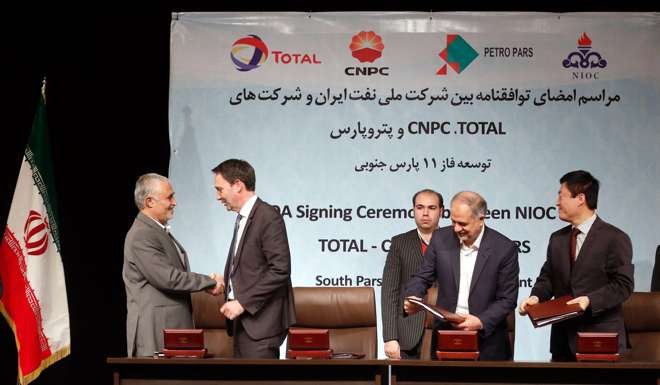
An alignment of Chinese and Iranian sporting interests would therefore seem to be one obvious outcome of strengthening relations between the two countries. Indeed, we should probably expect sponsorships, commercial deals, and even club relationships involving the two countries.
This becomes an even likelier prospect given that Iran is a more accomplished performer at World Cups than China ever has been. The east Asian giant therefore has much to learn from its smaller west Asian partner. However, this still doesn’t account for the significance of the train, which in itself is evidence of China’s growing power across Eurasia.