What is OLED, and why should you pay more to have it on your phone?

OLED - Organic light-emitting diodes
OLEDs, short for organic light emitting diodes, are an offshoot of the better-known light-emitting diodes, also known as LED. As a step-up from LED, OLED replaces LED’s arrays of individual light bulbs with thin films of organic molecules. OLED displays can therefore be much thinner and even bendable. OLED displays also exhibit deeper and darker blacks than the LED ones.
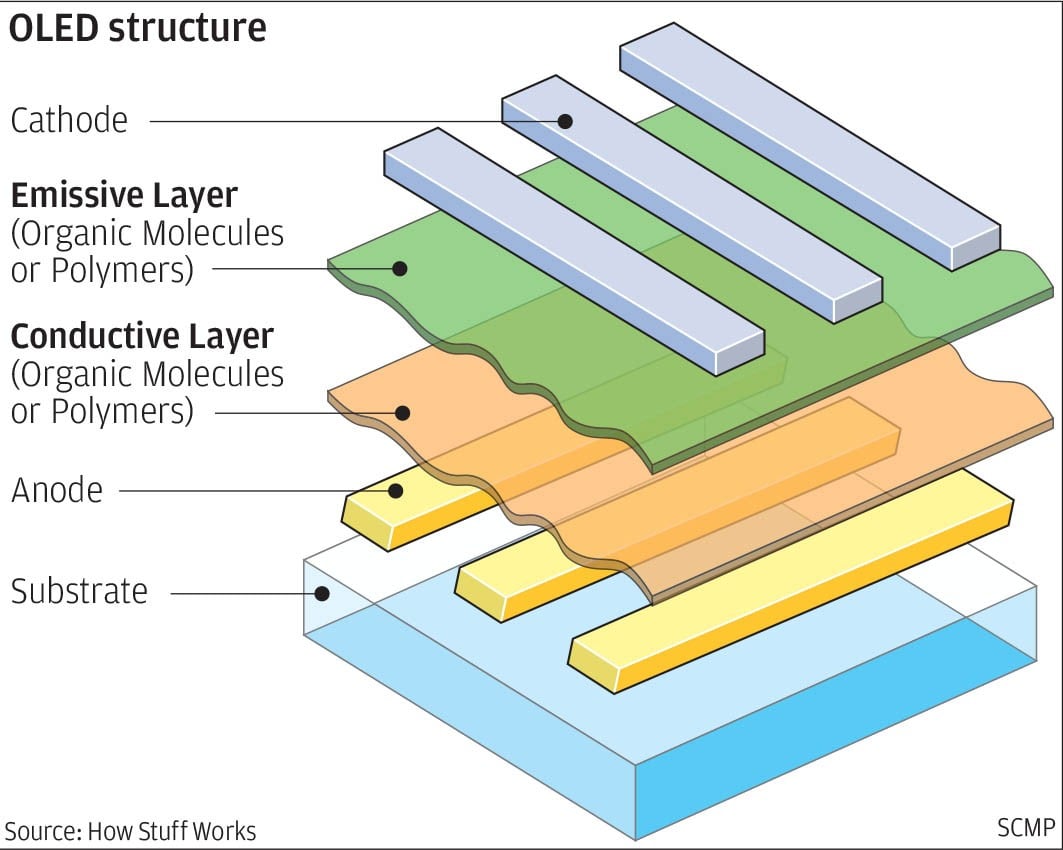
AMOLED - Active Matrix OLED
AMOLED is essentially OLED with a few added functionalities. AMOLED contains a type of thin film transmitter which charges the individual pixels. AMOLED consumes less power with more screen flexibility. Samsung even branded its most advanced version of AMOLED the Super AMOLED, which is a more advanced version and integrates touch sensors and the actual screen in a single layer.
Smartphone use case: