Women are no longer a novelty in China’s e-sports scene but challenges remain for pro gamers
Competitive electronic sports, or e-sports in short, have grown rapidly in popularity as digitally savvy millennials and Generation Z spend more time playing online games

It is a balmy March evening in Hainan, the sun-soaked island province that has earned a reputation for being China’s answer to Florida or Hawaii for wintering snowbirds escaping the frigid north.
At the cavernous convention centre in the provincial capital, where a weeklong electronic sports tournament is being held, a steady stream of people are leaving the venue in search for dinner.
But food will have to wait for Fang Dongmei and her fellow teammates of LLG, an all-women e-sports team competing at the World Electronic Sports Games (WESG), a multi-event competition structured much like the Olympics with preliminary heats and finals.
They remained seated in front of their Dell monitors in the training area, tapping intently at their keyboards. The team captain, Yang Ting, a 32-year-old from Hunan province, barked orders into her headset, directing her team of five to advance on the enemy in Counter-Strike: Global Offensive (CS: GO).
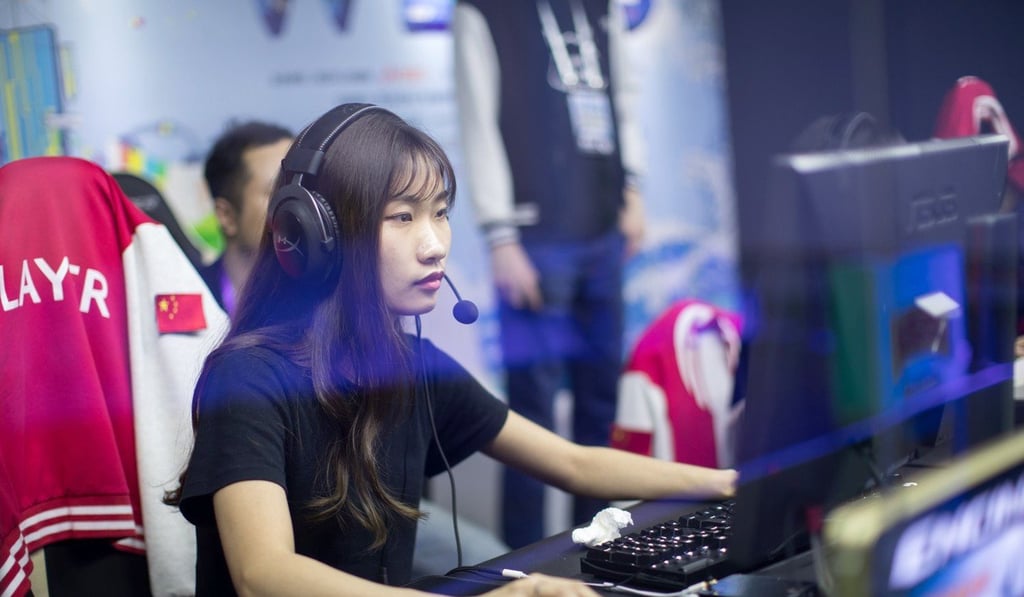
For the uninitiated, CS: GO is what is called a first-person shooter video game that is somewhat like virtual paintball. When contact is made, Fang’s screen lights up in a hail of bullets and exploding grenades. Hand-to-hand combat ensued, Rambo-like serrated blades drawn, every avatar for itself.
LLG is doing some last-minute prep for the next day, when they play teams from Brazil, Russia and Singapore. There are eight teams competing in the women’s category of CS: GO and the winner takes home US$100,000.