Baidu to showcase moon shot self-driving programme as China amps up national AI plan
Chinese search-engine giant’s latest autonomous-driving software comes amid a government push to use its Beidou satellite navigation system and build a nationwide visual mapping database to enable self-driving cars.

Baidu, the most heavily invested in artificial intelligence (AI) among China’s technology giants, will showcase its latest autonomous driving software next month as the Chinese government pushes ahead in a global race to gain leadership in the next generation of automotive technology.
Vice-chairman Lu Qi will be among senior executives who will introduce the Beijing-based company’s latest developments in autonomous driving and conversational AI at the CES trade show in Las Vegas on January 8, formerly known as the Consumer Electronics Show.
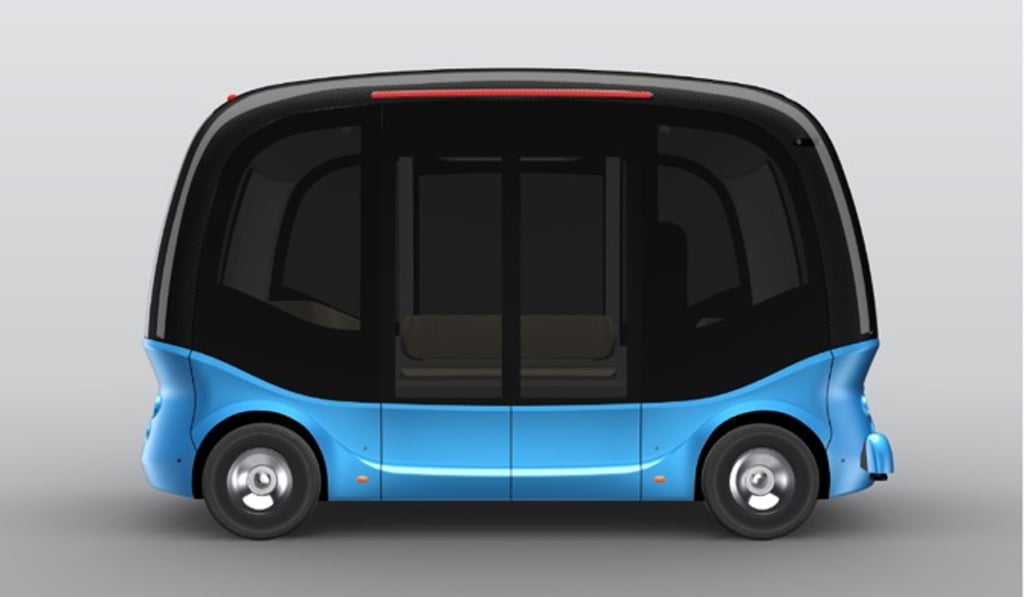
Called “Apollo” after the US space missions that landed Neil Armstrong on the moon in 1969, Baidu will unveil its latest 2.0 version of the self-driving software will allow cars to pilot themselves on “simple urban roads,” the company said. The Apollo platform has more than 80 partners, including carmakers BAIC, King Long and national navigation system “Beidou”. Baidu also plans to unveil a new AI-enabled hardware powered by its “DuerOS” platform, it said.
China’s technology firms are investing heavily in AI as part of a national push to ensure the country doesn’t fall behind, in what’s now being hailed by many as the “fourth industrial revolution”.
Autonomous driving and internet-connected cars are seen by many as the holy grails of AI development because of the complexity and unpredictability that navigating in a real-world environment like a city entails, and the various technologies needed to make it happen.