Vivo unveils 3D sensing technology that may be more accurate than Apple’s Face ID
Latest 3D sensing technology could open up new opportunities for facial, gesture and motion recognition

Vivo, China’s third-largest smartphone vendor, has unveiled its latest 3D sensing technology, which it says has 10 times the precision of Apple’s popular Face ID and can be used for more gesture-based and 3D-enhanced apps in addition to standard facial recognition applications.
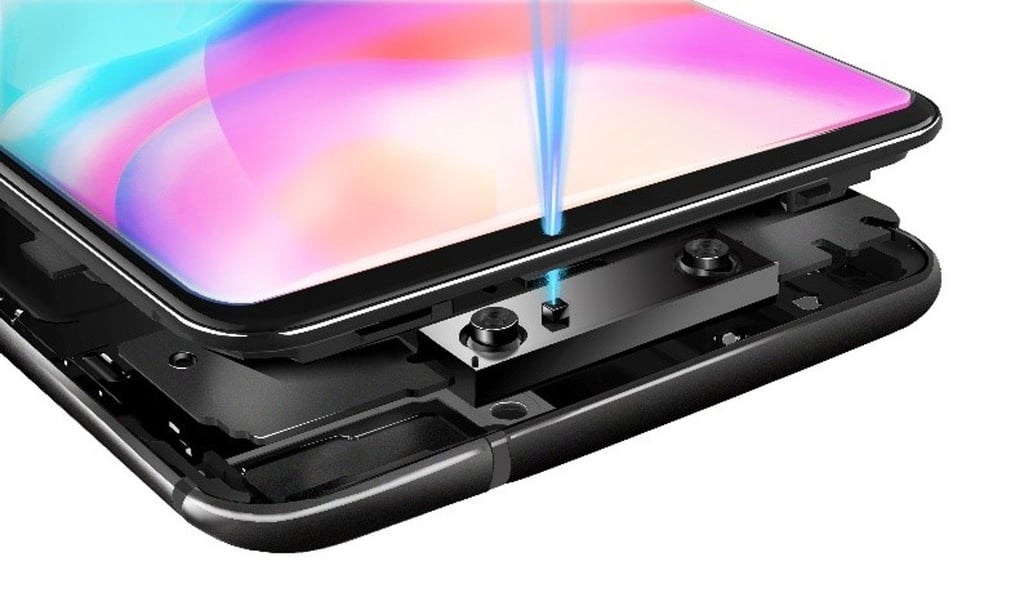
The new technology, which Vivo calls Time of Flight (TOF) 3D Sensing Technology, detects the time it takes emitted pulse light to return to the sensor to accurately map objects at up to three meters in front of it by using its 300,000 sensor points. This is 10 times the number used by existing Structured Light Technology, the technique that Apple’s Face ID relies on to generate a 3D image for authentication.
The latest 3D sensing technology could open up new opportunities for facial, gesture and motion recognition, 3D photography and augmented reality (AR), expanding the capabilities of next generation smart devices, according to Vivo. AR is the integration of digital information into the user’s existing environment in real time.
The Shenzhen-based company is one of the few Chinese smartphone brands that have been trying to come up with innovative solutions, rather than simply follow Apple and refine some of its designs, seeking an exclusive niche amid the country’s saturated domestic market.
In mid-June, Vivo unveiled a US$800 notch-free NEX phone with a pop-up camera solution which deviated from Apple’s iPhone X notch format, a design feature that has been largely followed by other smartphone vendors in China. The NEX flagship series brings the industry one step closer to its ‘bezel-less’ dream said Vivo, as the pop-up camera solution achieves a screen-to-body ratio of more than 91 per cent.