From travel and retail to banking, China’s facial-recognition systems are becoming part of daily life
The growing number of public and commercial applications for facial recognition in China may bolster the nation’s wider push to lead the world in artificial intelligence.

The future is already here – and there is no going back.
Looking like the main characters Neo and Trinity from the dystopian science fiction film franchise The Matrix, police at a railway station in the central Chinese city of Zhengzhou scan the crowd in search of wanted criminals using Google Glass-style eyewear with facial-recognition software.
This group represents the first wave of police officers in China equipped with such smart glasses, allowing them to screen passengers as part of the tightened security amid the upcoming Lunar New Year travel rush, the busiest travel period of the year in the country.
They are also the latest example of how China is moving ahead of the rest of the world in making facial recognition technology a part of people’s everyday life.
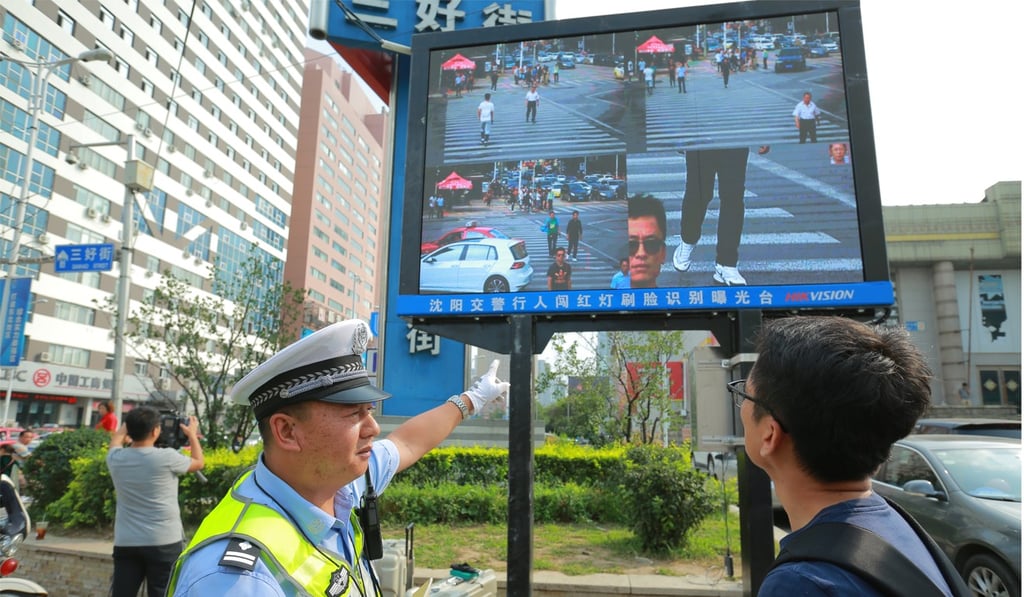
Facial recognition systems, which are biometric computer applications that identify a person based on a database of digital images, have been extensively used by Chinese authorities for security purposes to spot suspected criminals and even jaywalkers.