China BriefingIt’s now open season on ‘big crocs’: why Xi targets China’s particular breed of oligarchs
The rich and powerful who pull strings behind the scenes in Beijing have much in common with their Russian counterparts, but the government seems intent on trying to halt their clandestine activities

In China, the equivalents of Russian oligarchs are known as “big crocs”. True to their monikers, they enjoy lurking in shadows and pulling strings below the surface.
Rising through the booming but corruption-ridden 1990s and 2010s, they have deliberately kept their business background vague and business empires opaque, which have lent a dash of mystery to their legendary standings in China’s private sector.
Almost without exceptions, they boast impeccable political connections, often directly to the highest echelon of power in Beijing, through marriage, acting as front men for the powerful political families or agents for the all-powerful clandestine intelligence services, or using bribes to have relatives and families of the Chinese leaders in their pockets.
With political backing and their own acumen, many have joined the elite ranks of tycoons with assets worth 1 trillion yuan and beyond. They are known for their ability to “summon wind and rain” in deal making and playing the financial markets as well as stealing state assets, raising funds through illegal pyramid schemes, or securing cheap land or easy bank loans.
Just as they tried to duplicate their shenanigans on major overseas mergers and acquisitions with the eye to move massive funds abroad for safety, their shady pasts have caught up with them and their empires have started to unravel in a dramatic fashion in the past year.
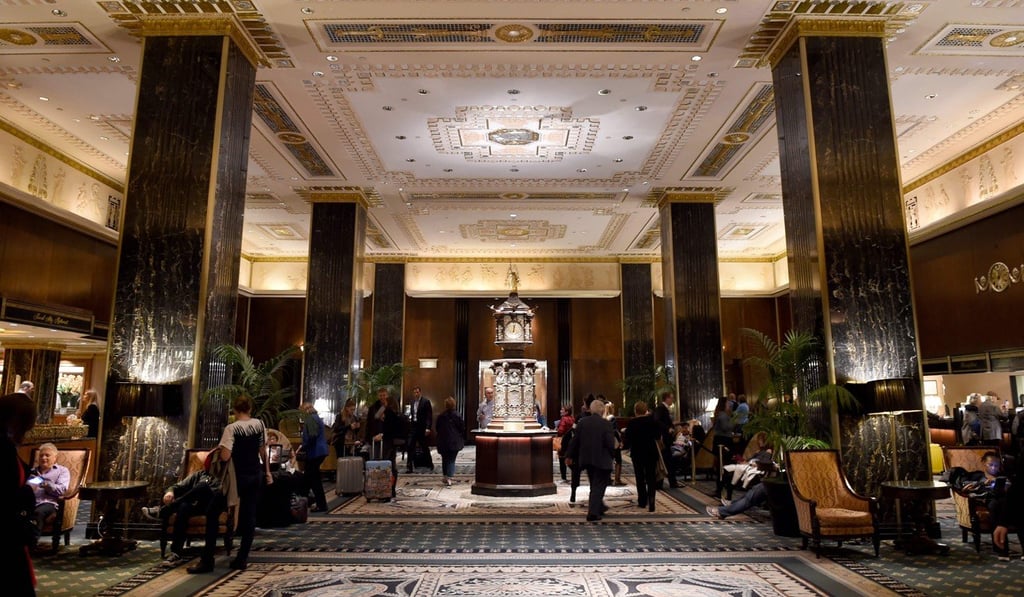
On March 28, Wu Xiaohui, once the owner of Anbang Group, one of the China’s largest insurers, became the first big croc to be put on trial on charges of illegal fundraising equivalent to US$10.4 billion and embezzling US$1.6 billion from Anbang’s insurance premium incomes.