Whiff of discontent in Singapore as Malaysia courts Chinese market for its durian
The time is ripe for Malaysian durian growers to enter the Chinese market – but that’s an unpalatable development for Thailand and Singapore

It is the “king of fruits”, yet it rules over a deeply divided court. It is an aphrodisiac with an offensive odour, a pungent, ugly and thorn-covered delicacy that tastes so sweet to some, yet smells so foul to others. It teases discerning palates with a flavour that is at once savoury, sweet and creamy, yet torments olfactory organs with an scent likened to turpentine, rotting flesh and gym socks.
True to its divisive reputation, the durian is now kicking up a stink between the agricultural sectors of Malaysia, Singapore and Thailand – and China’s caught in the middle.
The first whiff of trouble came with the announcement that a three-day, Malaysian government-backed “Durian King Festival” would open in Nanning, China, on Friday.
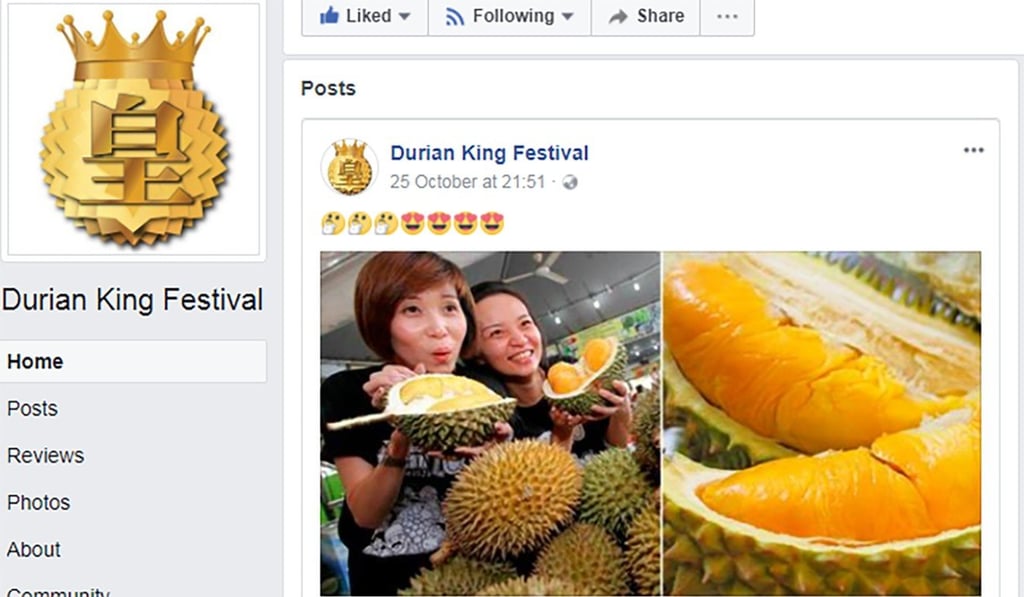
That got Malaysia’s durian growers licking their lips at the prospect that the festival could pave the way to unfettered access to the Chinese market – the main objective of the festival, according to agricultural officials in Kuala Lumpur. At present, China does not allow the import of fresh durians from Malaysia, only frozen pulp.
The prospect of that restriction being lifted may have whetted Malaysian appetites, but it has left a bitter aftertaste in neighbouring Singapore and Thailand.