
Abacus | After all those ‘hard landing’ warnings, do you still want to bet against China?
In the 1980s China accounted for just 3 per cent of total global output and later naysayers lined up to criticise attempts at reform, but Beijing has prevailed and seems prepared to weather any storm

In December, the China Economic Quarterly shut up shop after 20 years. To mark the print journal’s passing, the editors looked back at the lessons learnt since 1997, and what they teach about the likely course of China’s development over the next generation.
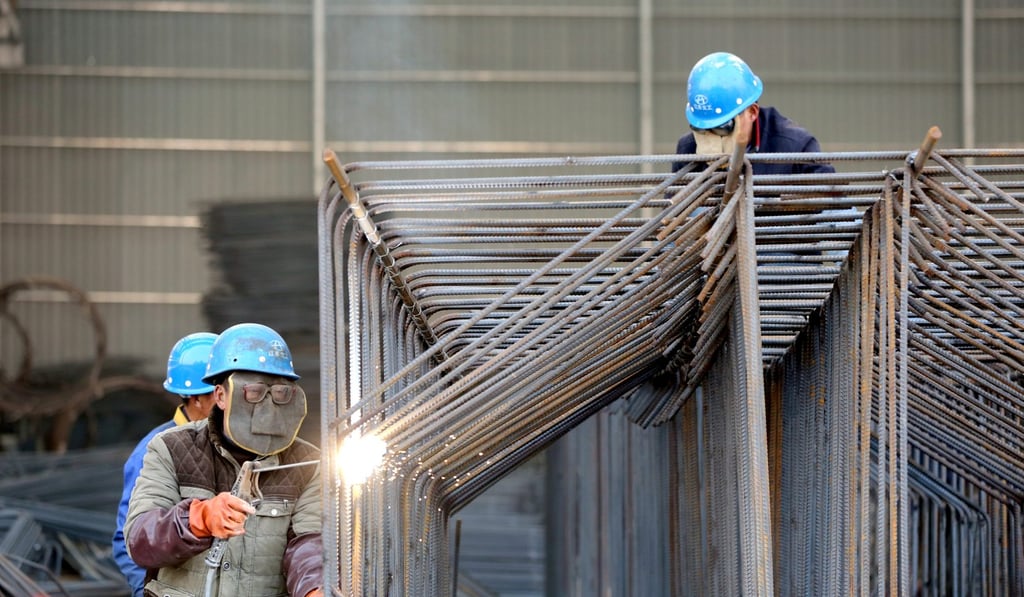
At the time, China was an economic also-ran. Yes, it was home to more than a fifth of the world’s population. But it accounted for just 3 per cent of global economic output, and a similar share of world trade. The average income was on a par with the Congo. Most of the state-controlled industrial base was antiquated and unprofitable.
Across the country, state-owned enterprises were kept in business only by open-ended loans from state banks, operating as a form of welfare. As a result, some 50 per cent of the banking system’s outstanding loans were reckoned to be non-performing, with the entire financial system often said to be in danger of imminent collapse.
Brrr ... Xi’s heavy handed pollution policy goes up in smoke
Worse, it seemed political appetites for economic reform had diminished since the opening up of the 1980s – an opening that led to runaway inflation and the political uprising of 1989. In the 1990s, things seemed to go backwards, with a tightening of central government control and an entrenchment of interests that saw the People’s Liberation Army (PLA) established as one of the country’s primary forces in business.