Why do Singapore, Malaysia use kid gloves with nuclear-armed North Korea?
While the West says North Korea – nuclear-armed and dangerous – must be confronted sternly and directly, Asean member states are hesitant to upend decades of diplomatic relations, still hoping dialogue bears more fruit in the long run

Even at the height of North Korea’s belligerence, Southeast Asia’s leaders have resisted the urge to join the chorus of Western voices branding Pyongyang a “pariah state”.
This softly-softly approach, Southeast Asian diplomats and foreign policy experts say, reflects a region-wide belief that dialogue – rather than tough talking – is the best way to keep the reclusive but volatile country on an even keel.
And despite the unsettling circumstances of late, experts say the hermit nation’s bilateral ties with the 10 member states of the Association of Southeast Asian Nations (Asean) are unlikely to be adversely affected.
Pyongyang is suspected of being involved in the daylight murder last month of leader Kim Jong-un’s estranged half-brother in Malaysia. Unhappy with official investigations into the episode, Pyongyang shocked Malaysia on Tuesday by blocking Malaysian nationals from leaving its borders.
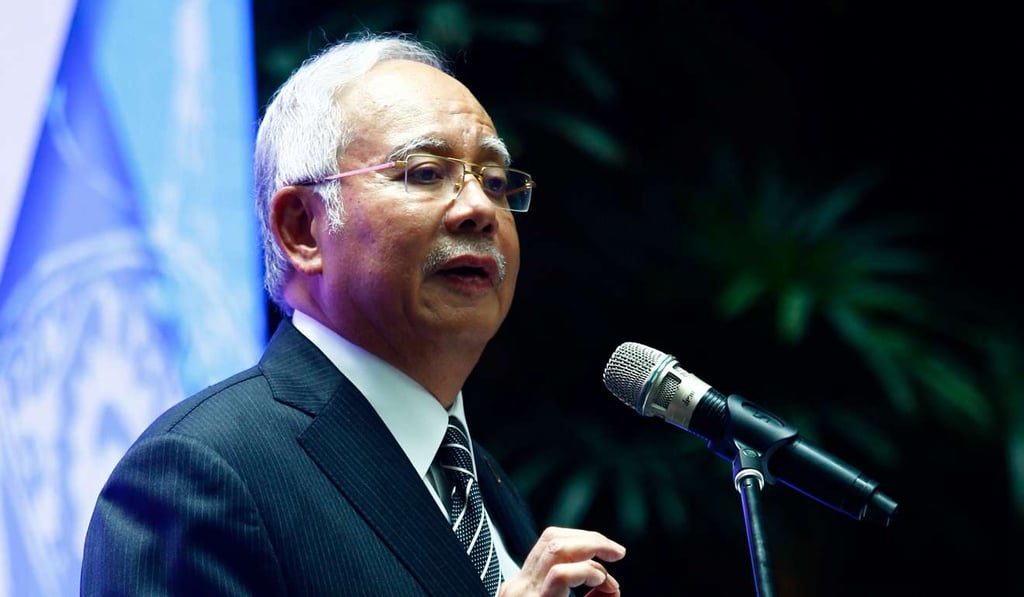
And with nine citizens virtually being held hostage as a result of the travel ban, Malaysian Prime Minister Najib Razak insisted ties remained “friendly” even as he retaliated with a similar ban on departures by North Korean embassy staff.
“Malaysia always ensures good relations with all countries. However this does not mean any one of them can abuse our good treatment,” the Malaysian leader said in a blog post on Friday.