How Macau became North Korea’s window to the world... and its nexus for weapons and drugs trafficking
The assassination of Kim Jong-nam put a spotlight on the Chinese city he lived in – but Pyongyang’s links to the former Portuguese colony stretch much further back, into a murky and sordid past

Described as sociable and generous, polyglot Kim would send over drinks to neighbouring tables whenever he saw familiar faces. While dining in the restaurant, at least for a few hours, he would be just another customer.
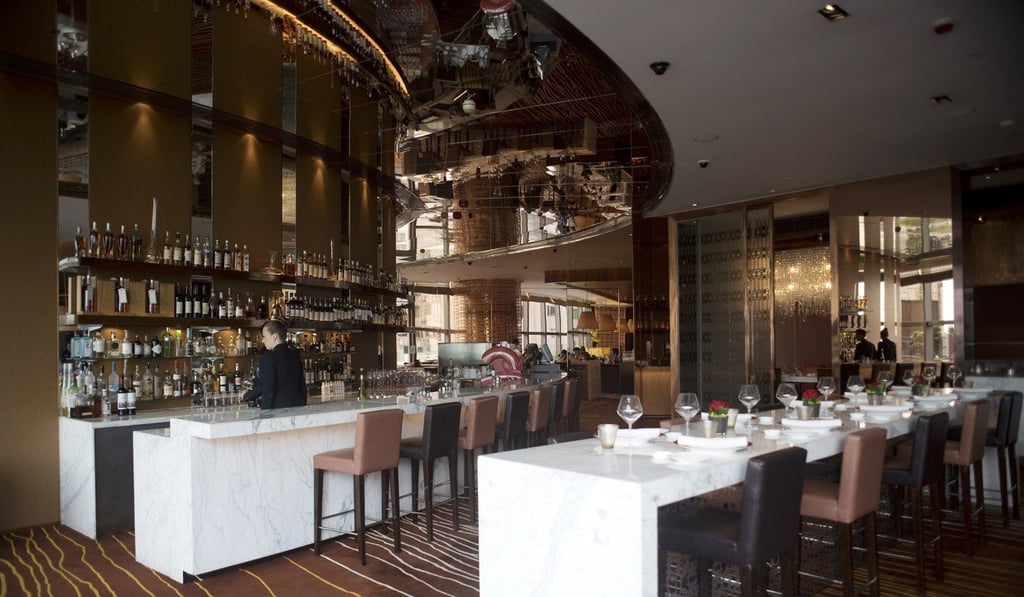
Sitting in this sophisticated restaurant on Taipa island, few would guess the former Portuguese enclave was an important gateway for North Korea to the world. Yet, allegedly, it was a nexus of money-laundering and weapons and drug trafficking for Pyongyang. And for almost two decades, it was also home to the eldest son and two grandchildren of the late North Korean leader Kim Jong-il.
Kim Jong-nam was killed in what’s widely suspected to be an assassination plot by Pyongyang. He was at Kuala Lumpur airport, waiting for a flight to Macau on February 13, when two women smothered his face with VX nerve agent, classified as a weapon of massive destruction.
The women arrested over the killing have since told a court they thought they were taking part in a prank for a television show, and that they had been scheduled to carry it out in Macau until there was a late change of plans.