This standoff is China telling India to accept changing realities
As technology kills the distance between the two Asian giants, the current Himalayan standoff is Beijing’s way of warning New Delhi not to trample too egregiously on China’s interests, or else...

For much of the 60 years that followed the emergence in the late 1940s of China and India from century-long periods of foreign domination, China remained a bit player in the South Asian-Indian Ocean region (SA-IOR). The tyranny of distance imposed on China by the length between its east coast centres of power and the Indian subcontinent combined with the forbidding terrain of the Tibetan plateau and associated mountain ranges separating China and India helped India hedge against China’s thrusts into the region.
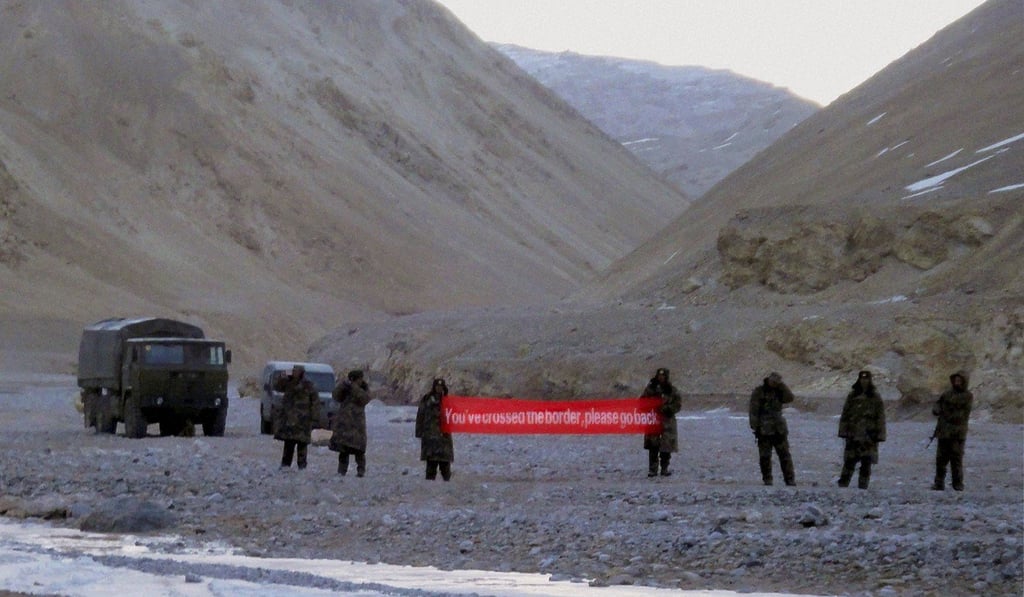
China’s poor and technologically backward economy up until the late 1970s also severely constrained Chinese efforts to assert influence in the SA-IOR. The economic and military superiority of the erstwhile USSR and the United States vis-à-vis China further restricted China’s efforts in the region. Today, none of these traditionally limiting conditions hold any longer. As its position in the region grows rapidly, the question is: will China succeed in becoming the paramount power in the SA-IOR?
Why China, India and the Dalai Lama are pushing the boundaries in Tawang
China does not explicitly aim for primacy in the SA-IOR. But the large disparity between Chinese and Indian capabilities, combined with the evaporation of the tyranny of distance may nonetheless make this the outcome. China’s leaders also view primacy in the region as an essential basis for its eventual catch-up with the US as a leading global power.