Can Japan claw back the ¥1.4 trillion it sent to North Korea?
Pro-Pyongyang credit unions bailed out by Tokyo may have helped fund the weapons programme now sending missiles over Hokkaido – while a ¥1 billion donation from Hong Kong benefitted residents group Chosen Soren

A campaign that would effectively bankrupt Chosen Soren, the association of North Korean residents of Japan and a major source of funds for Pyongyang, is the latest sign of Japan’s hardening stance towards its wayward neighbour.
With tensions ratcheting up following two missile tests in which Pyongyang sent rockets over Japanese territory, a prominent rights campaigner has upped the stakes in a decade-long battle to retrieve ¥1.4 trillion (HK$97.76 billion) in government funds used to bail out sixteen pro-Pyongyang credit unions that went bankrupt when Japan’s bubble economy burst in the 1990s.
The campaigner, Ken Kato, and elements of the Japanese government accuse the credit unions, which had close links to Chosen Soren and were used to send money to North Korea, of making reckless loans in the knowledge that Japanese taxpayers would eventually be forced to foot the bill when they failed.
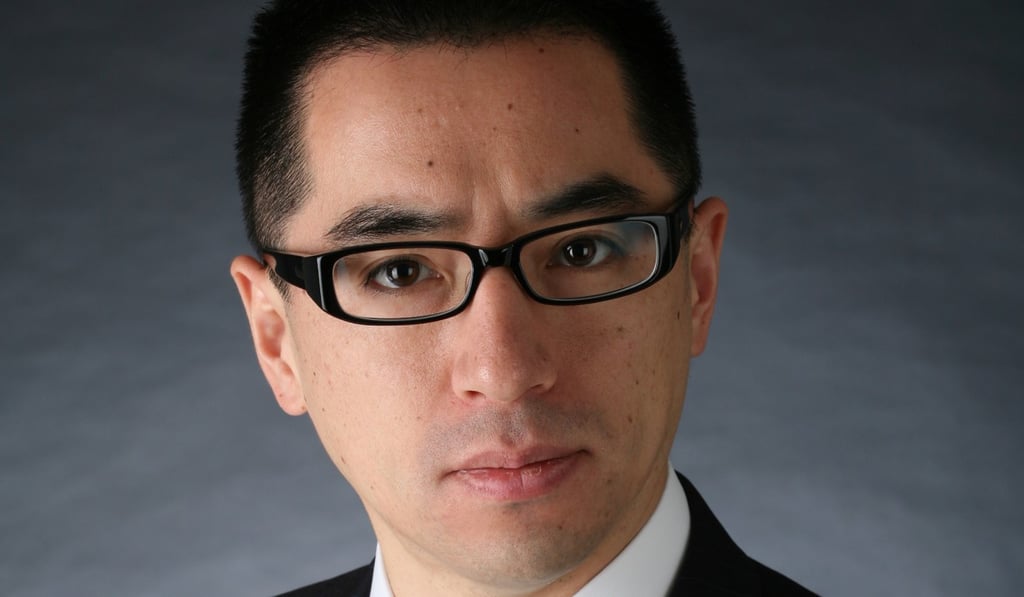
Kato’s latest plan for forcing its hand is to petition the Japanese government to have the organisation declared bankrupt, seize its assets and auction them off to recoup the amount it owes. His plan may stand a greater than usual chance of success given the present state of Tokyo-Pyongyang relations.
“The credit unions were controlled by Chosen Soren and the reason they collapsed was in part due to the end of Japan’s economic boom, but also because they had been making massive donations to the North Korean regime and Chosen Soren had been misappropriating more funds,” said Kato, a director of Human Rights in Asia and a member of the International Coalition to Stop Crimes Against Humanity in North Korea. He said at least 25 credit union officials had been arrested in connection with fraudulent transactions.