What key players want from Trump-Kim talks (and what they’ll get)
North Korea may have what it wants but must pause for thought. Trump may get a mid-term boost but must temper expectations, South Korea may be in the driving seat but possibly not for long, and as for China and Japan, well...

On one level, an unprecedented head-to-head with the US president is a long-coveted, status-boosting concession for Pyongyang, one which eluded Kim’s family forebears. A leaders’ summit of such strategic dimensions is normally months if not years in the making. But such a diplomatic escalation on Washington’s part also foreshortens the crunch point at which Pyongyang’s metaphorical nuclear and missile “salami” can no longer be sliced. The fact that Ambassador John Bolton, who is reportedly being considered as a replacement for National Security Adviser H.R. McMaster, has welcomed the summit should give Pyongyang extra pause for thought.
Are US and China sincere partners in disarming North Korea?
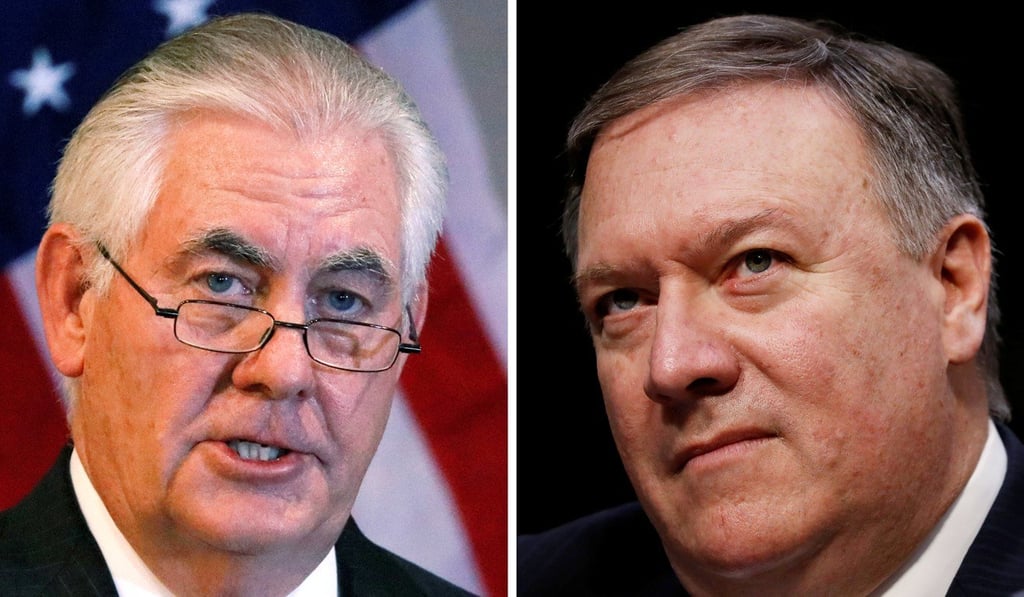
Pompeo believes Washington can still negotiate the North’s complete, verifiable, irreversible, denuclearisation “from a position of enormous strength”. He has also said that Kim is a rational actor. But Pompeo’s reputation as a Trump loyalist points to a concentration of uncontested decision-making power around the president, with few regional experts in a position to make their influence felt on North Korea. With Secretary of Defence James Mattis now perhaps the sole exception in the cabinet, the balance of forces within the administration suggests a more coercive approach – including military options – lies in store, in case the upcoming inter-Korean and US summits fail to produce a breakthrough.
What about the impact on the other key players?
Moon supports the idea of a Trump-Kim summit. By pursuing his own engagement policy with the North, Moon has successfully wrested back some of the initiative on North Korea. Trump’s visit to Seoul and National Assembly speech, last November, reaffirmed South Korea’s centrality as an ally. But Washington still eyes inter-Korean engagement warily, as a distraction from the primary focus on denuclearisation and potentially diluting its “maximum pressure” posture towards Pyongyang.