Opinion: Ignore Silk Road hubris, China will grow old before it gets rich
President Xi Jinping’s Belt and Road plan is rooted in the past: here are five lessons from history that suggest assumptions of China’s inevitable rise are mistaken

A rising China has turned us all – especially in Southeast Asia – into amateur historians.
President Xi Jinping’s signature initiative to revive the ancient Silk Road trading routes is rooted in the past, therefore the pageantry, rhetoric and indeed the substance of last week’s high-profile “Belt and Road Forum for International Cooperation” in Beijing cannot be understood if one ignores history.
Living as they do in China’s “armpit”, Southeast Asians have no choice but to learn a lot more about the Middle Kingdom.
Why China should be wary of overconfidence
Given the strong maritime focus of the Belt and Road initiative – Beijing’s plan to link Eurasia through land and sea links and infrastructure into a China-centred trading network – it’s also critical to understand China’s chequered oceanic forays – stretching from the dynamism of the Han, Tang and Ming dynasties to the disastrous xenophobia of the Manchu Qing.
In this respect, Lincoln Payne’s 744-page tome The Sea and Civilization: a Maritime History of the World provides a superb overview of how the great civilizations faced sea-borne challenges.
Tracing the ups and downs of China’s maritime engagement, the reader comes away with five key points.
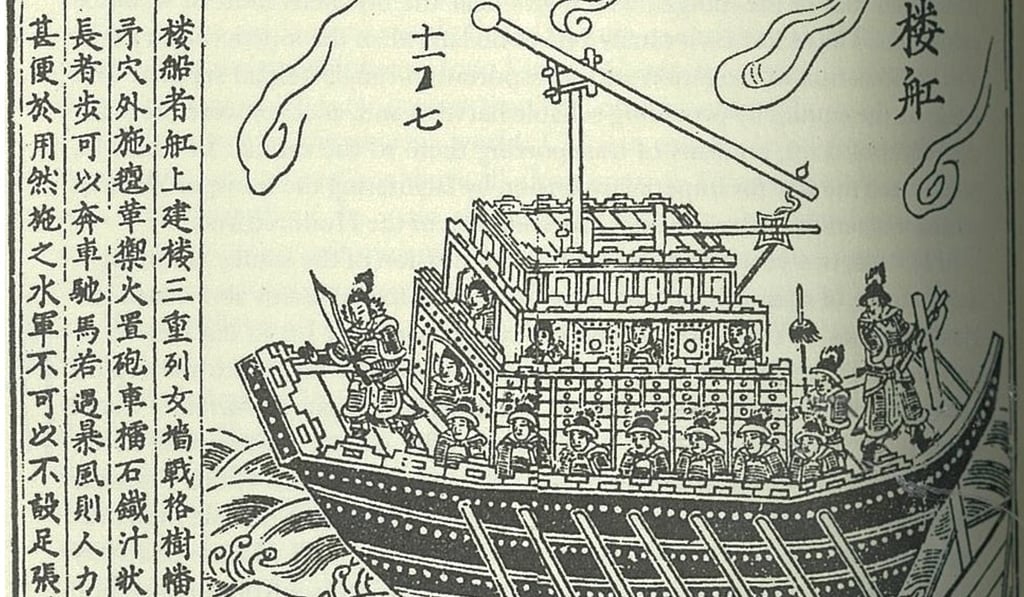
First: there has been no discernible consistency in China’s relations with Southeast Asia. Over the centuries, it has veered from great interest to isolationism, sometimes within a space of a few years.