Opinion | Here’s why incoming FDI is far more important to China than thought
Accounting for just 2.5pc of the nation’s GDP, China doesn’t need FDIs – or so the thinking goes. Well, think again

China’s State Council has called on the ministries to further open the country’s economy to foreign companies. While analysts indicate this might be in response to stagnating inward foreign direct investment (FDI), complaints from foreign companies, the spectre of a trade war with the United States, and calls for reciprocity as Chinese companies invest abroad, there are more fundamental forces at play.
China does not need the money. In recent years, FDI has accounted for only about 2.5 per cent of the nation’s gross capital formation and foreign invested enterprises (FIEs) have supplied around 0.5 per cent of its fixed asset investment. So at first glance, the levelling off of annual FDI should hardly be a cause for concern. Additionally, although FIEs are currently responsible for just under 50 per cent of China’s exports and more than 50 per cent of its imports, the contribution of their net exports (exports minus imports) to GDP is only about 2 per cent.

How China’s ageing will narrow income gaps in West
The impact of inbound foreign investment does not stop there. It ripples through the FIEs’ supply chains and the consumer spending of their employees and those of their suppliers. When all these are included, the total impact of the industrial FIEs rises to about 20 per cent of GDP. Adding similar analysis for FIEs in the services sector and the impact of the physical investments of FIEs brings the impact to around 33 per cent of China’s GDP and 27 per cent of the country’s employment. Instead of focusing on the US$125 billion in FDI that China received in 2016, we should instead be considering the roughly US$3.7 trillion in GDP impact generated by FIEs and their ripple effect.
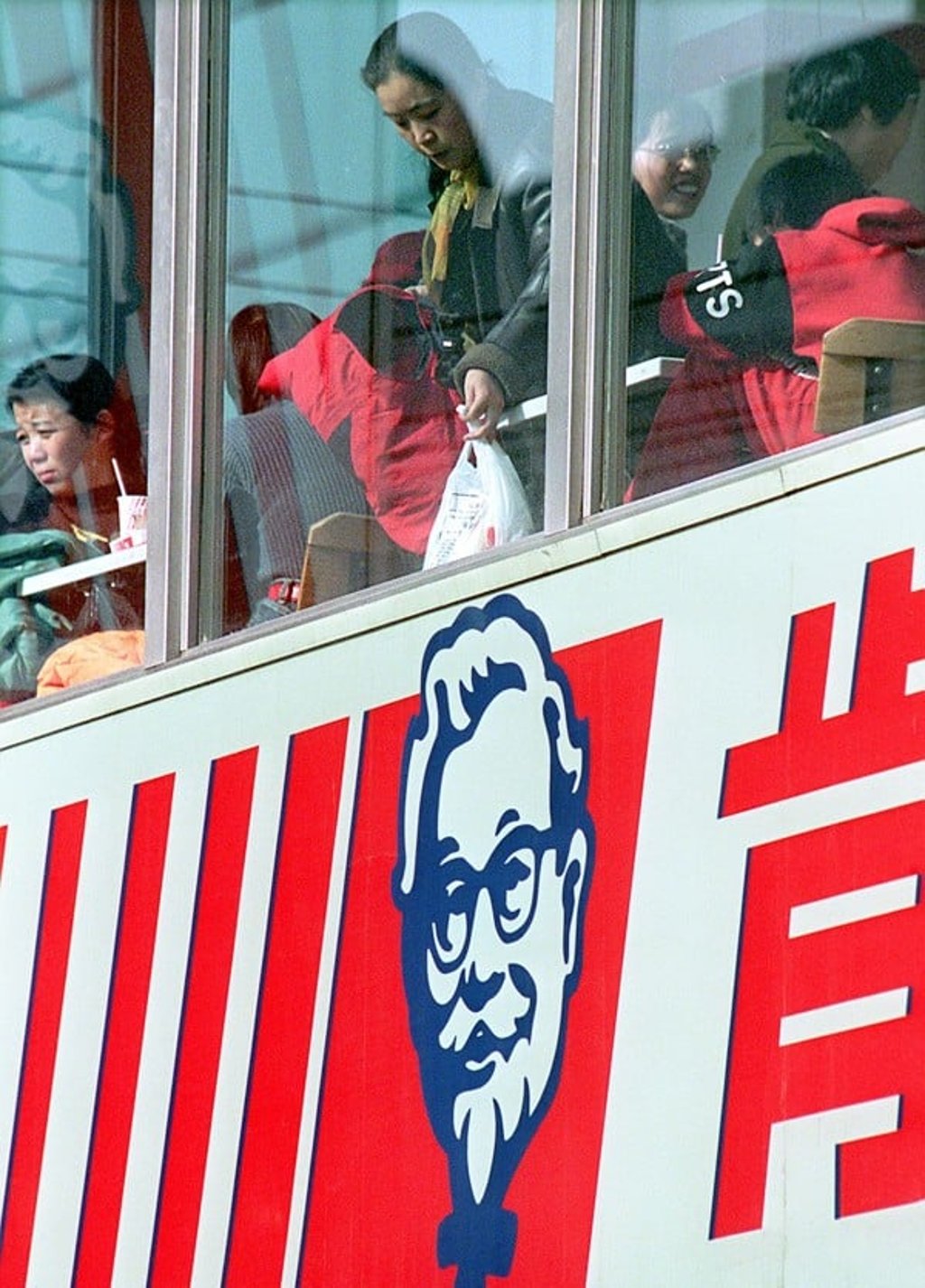
Enright, Scott & Associates estimates that the impact of US firm Procter & Gamble alone – with its supply chain and distribution channels – was more than US$11 billion on China’s GDP and 600,000 on the nation’s employment in 2014.
How expats are cashing in on China’s internet celebrity boom
The estimates do not include a wide range of additional effects of inbound FDI and FIEs in China. These include the modernisation of Chinese industries, the creation of suppliers and distributors in China, bringing technology and R&D to China, fostering local spin-offs, improving business practices and standards, providing access to international capital markets for Chinese firms, modernising management training and education, bringing regional and global management to China, promoting legal and institutional reform, improving environmental and sustainability practices, contributing through corporate social responsibility initiatives, and providing advice on economic and business-related policies. The impact of FDI and FIEs in these areas could be even larger than those quantified above.