
Abacus | Don’t hold your breath for Xi to reform China’s economy
It is likely the Chinese president believes he has struck the right balance: one in which market forces have some leeway, but the state still holds the levers of control

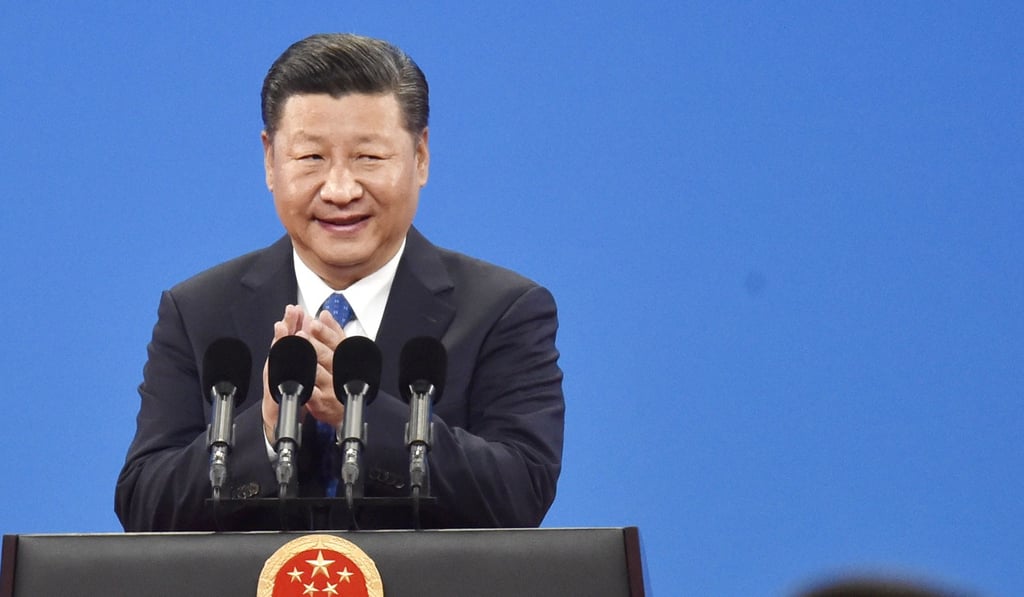
When Xi Jinping stands up on Wednesday to deliver his “work report” to the Communist Party’s five-yearly congress, foreign businesspeople – and many in China – will be listening closely for indications the Chinese president is preparing to accelerate the process of economic liberalisation. They are likely to be disappointed.
The hope is that Xi – now he has successfully consolidated his grip on the party, cleaned out corrupt cadres and surrounded himself with like-minded allies – will turn in his second five year term as president towards economic affairs.
Move over Aussies, the Chinese are coming to Indonesia
Now that Xi no longer faces stiff opposition from senior officials intent on protecting their own economic interests, optimists hope he will roll out a suite of market-oriented reforms – the sort that has long been urged by the International Monetary Fund. These would include steps to open up state dominated sectors to private business, privatise many of the smaller state-owned firms and overhaul the governance of the larger ones, and allow more foreign competition especially in China’s closely protected service sectors.
Naturally, many businesspeople and investors would welcome a reform programme that levels the playing field between the state and private sectors, and between domestic and foreign players.
But they are not the only ones. Many economists and policy advisers argue that greater liberalisation is essential to foster the competition and business innovation China needs to sustain economic growth, avoid the dreaded “middle income trap” that has ensnared other developing countries, and achieve Xi’s objective of creating “a moderately wealthy society” within the span of his presidency.