AbacusThis is no Minsky moment: here’s the real reason China’s top central banker is ringing the alarm bell
Warnings over the build-up of credit in China are nothing new, but when Zhou Xiaochuan speaks out, ears prick up. But before you start panicking, it’s worth considering his agenda

Credit in China has been expanding far too quickly, according to a new warning issued last week. The result is excessive debt, asset price bubbles, and complex hidden risks that pose a major systemic danger to the world’s second largest economy.
This is hardly the first warning we’ve heard about the build-up of financial leverage in China. Supra-national organisations like the International Monetary Fund and the Bank for International Settlements have sounded the alarm repeatedly. In September, Standard & Poor’s downgraded China’s sovereign credit rating, citing the rapid growth of debt. And of course a coterie of confirmed China bears has been warning for years that massive capital misallocation could precipitate an economic collapse.
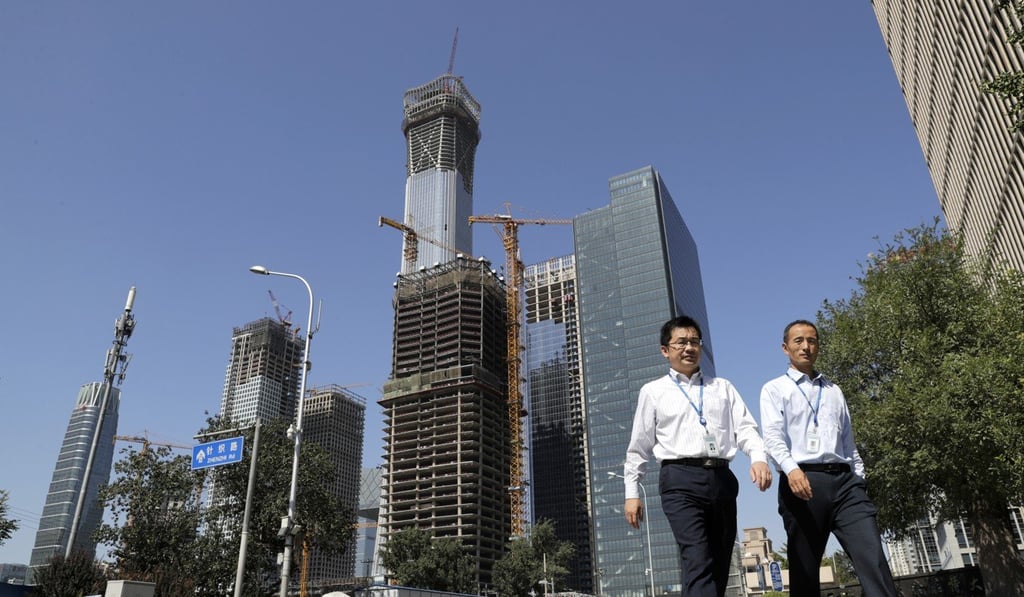
So what exactly did Zhou mean by that? And if China’s most experienced and respected financial regulator is worried about the accumulation of risk in the system, surely the rest of us should be running scared too? Perhaps not. Admittedly, on the surface, there are some signs that China could be approaching the sort of Minsky moment that precipitated the US financial crisis of 2008. Named after the US economist Hyman Minsky, who devoted much of his career to studying financial crises, this is the point at which a speculative bubble bursts, triggering a collapse. Minsky’s key insight was that financial systems can be inherently unstable, and that calm conditions tend to breed storms in a runaway positive feedback loop. So, when things are going well, lenders relax credit standards and investors leverage up in the hope of earning higher returns.
The risk of the middle-income trap just increased for China
At first, prudence prevails. Companies borrow only as much as they can repay from cash flow. But as asset prices rise, they are joined by more speculative borrowers, who can cover interest payments but count on capital gains to repay their principal. Finally the system enters full-on bubble mode, propelled by “Ponzi” borrowers, who can afford neither interest nor principal payments and rely on excessively easy credit and ever-rising asset prices just to stay afloat.