On ReflectionFrom iPhones to cancer, the India-China relationship is full of irony
Half-baked calls to boycott Chinese goods in New Delhi and Beijing’s blockade on cheap Indian pharmaceuticals are a disservice to citizens in both countries

Pickpockets are not uncommon in crowded places in India. Victims are generally realists and tend to quickly resign themselves to their misfortune, often not even bothering to go to the police.
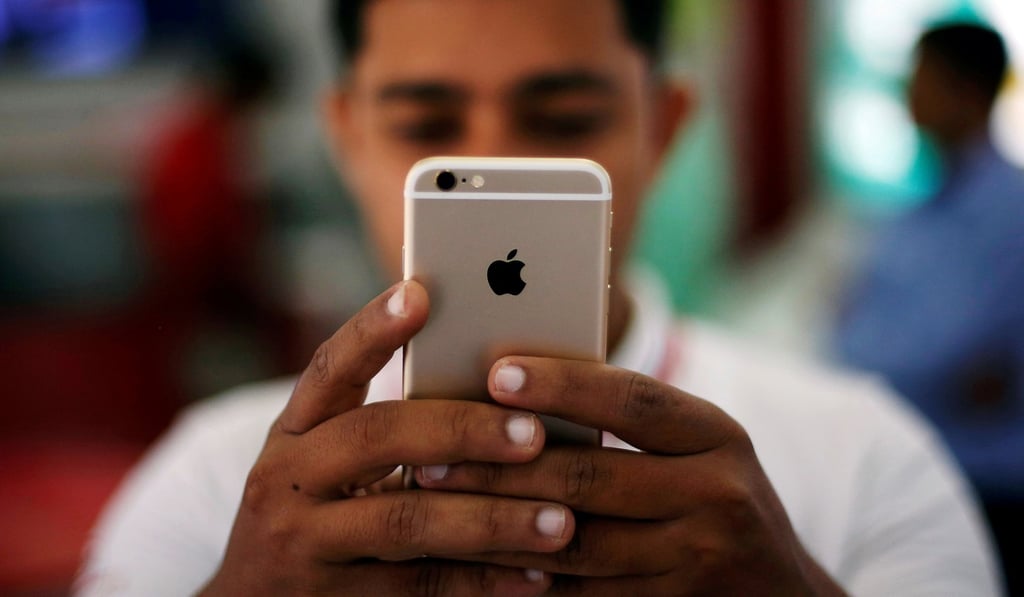
However, that was not the case for actor-turned-politician Manoj Tiwari, head of the Delhi chapter of India’s ruling party, the Bharatiya Janata Party. When he lost his iPhone 7 Plus at a demonstration last month, he promptly complained to police. Politicians in India are often able to get law enforcement to expend extra effort on their behalf, so Tiwari’s response was not really surprising.
What was surprising was the politician had lost his phone at a protest against Chinese-made goods organised by an affiliate of the BJP’s parent organisation, the right-wing ultranationalist Rashtriya Swayamsevak Sangh. And as American as Steve Jobs might have been, the iPhone is the quintessential made-in-China product.
India or China, who invented gunpowder? Diwali’s Hindu haze and a weird debate
Such ironies are a dime a dozen in the India-China relationship. A movement in India for boycotting Chinese goods has picked up political steam particularly over the past year or so following China’s repeated blocking of UN Security Council sanctions against several Pakistan-based terrorists. Boycott messages on India’s most popular social media platform, WhatsApp, picked up especially around Diwali in mid-October.
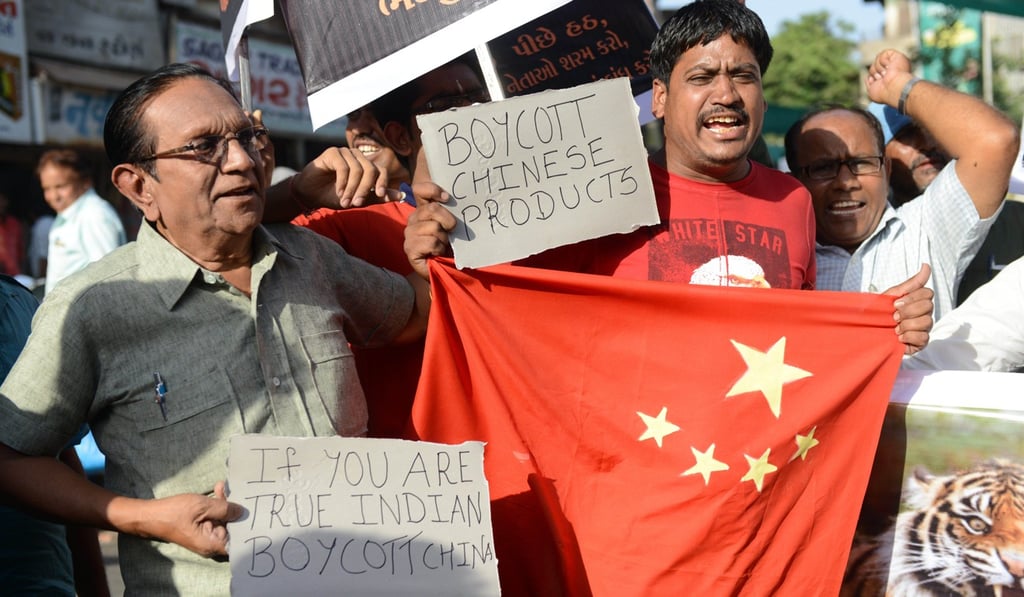
Diwali and many other Indian religious festivals are periods when demand for cheap electric lights, crackers, toys and other goods picks up and China is the biggest supplier – even small figurines of Hindu deities are manufactured in China today. In some cases, it has displaced or put out of business traditional Indian small manufacturers. There is a conflation here of the political and the economic. There is also a larger economic and environmental case to be made against many Chinese products. Take the cheap Chinese toys entering the Indian market, which certainly filled a gap in supply but are of poor quality and contain materials hazardous to the health of children. The Indian government has imposed strict quality guidelines in this sector.
Chinese telecom products have long been the subject of debate and intense scrutiny from Indian security agencies. And going by the cyberattacks on Indian institutions, along with several instances of cyber-theft and data leaks, there is good reason for India to improve its vetting standards and target Chinese products in particular.