
Sino File | Farewell comrade: why communist China and Vietnam are drifting apart
Political liberalisation by Hanoi is improving its relationship with the United States and Asian democracies like Japan, India and Taiwan – guess how that’s going down with Beijing

If they were true adherents of international communism, China and Vietnam should be the most natural allies in the world – their shared beliefs and common accomplishments should outshine their historical animosities and territorial disputes. They should be united in a world dominated by democratic capitalism as two of the world’s five communist nations, alongside Cuba, Laos and North Korea, and as two countries that view themselves as socialist.
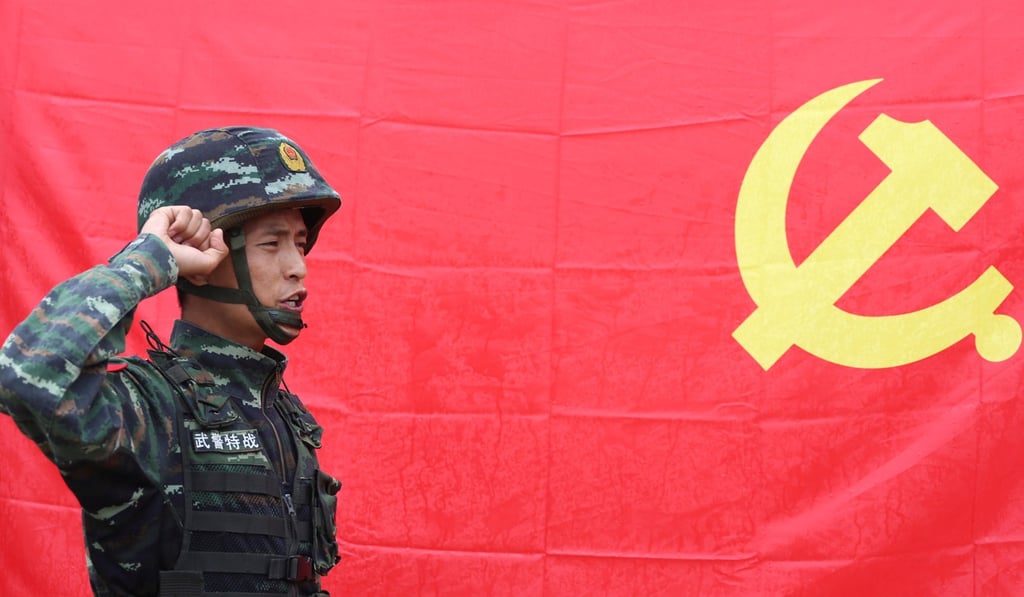
How can communist Vietnam be friendlier to the US than China?
In recent decades, both nations have been engaged in market-oriented economic reform to embrace global capitalism. And, while deviating significantly in the form of their political restructurings, both have maintained Leninist single party political systems.
Beijing and Hanoi adhere to a Leninist principle of “democratic centralism”, a sort of internal consultation system in formulating policy. But there are significant differences regarding how big a role either democracy or centralism is allowed to play in this process.
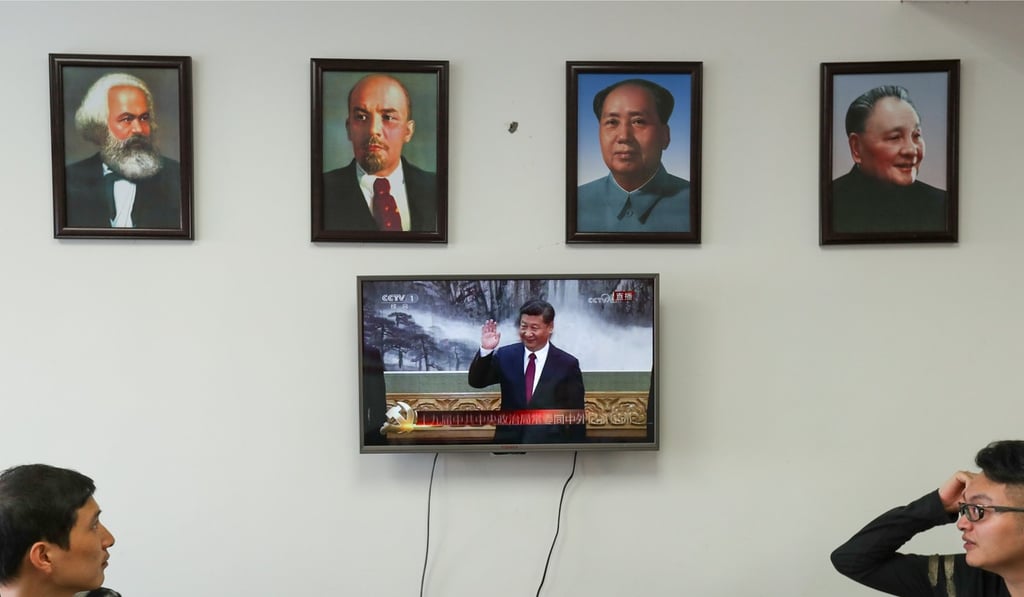
As early as its 9th National Congress in 2001, the Vietnamese communist party had begun to replace single-candidate elections with competitive elections for the members of the top decision-making Politburo and its four most senior officials – general secretary, president, prime minister, and chairperson of the national legislature.