

Asian Angle | Why the CPTPP could be the answer to the US-China trade war
- China’s joining could ease tensions with the US, accelerate growth, diversify markets and modernise the country. What’s not to like?

A bold decision by China to join the CPTPP could address many challenges that the continuing trade war created. By adopting CPTPP trade rules, China could ease tensions with the US and other countries. By joining a dynamic regional trade network, China could accelerate its economic growth and diversify its markets. And by committing itself to high international policy standards, China could energise its own reforms in building a modern, open economy.
Let’s begin with the economics. The CPTPP would lend momentum to China’s “opening up” policy, which is widely seen as crucial to China’s growth. China already has robust trade and investment relations with other CPTPP members, yet the agreement could reduce some high barriers that still saddle this trade. Trade would increase in Asia-Pacific networks, making manufacturing supply chains even more productive and diversifying the region’s dependence on North America.
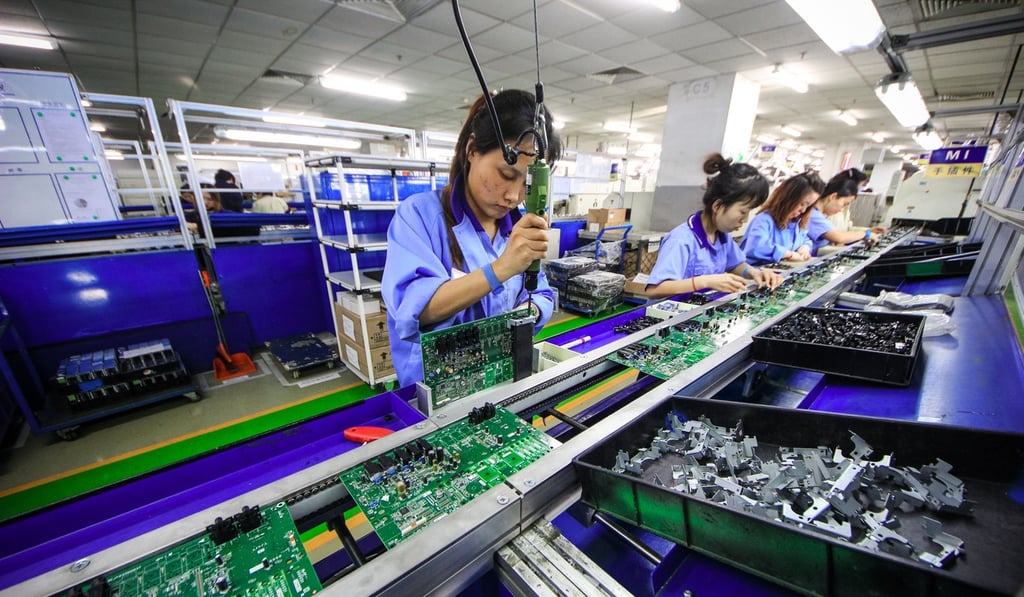
In forthcoming study for the Peterson Institute for International Economics, we estimate that the CPTPP, in its present form, will add US$147 billion annually to global incomes. This is a large sum, but it could grow to US$632 billion annually if China joined, surpassing the benefits that the earlier TPP would have generated with US participation. Chinese exports to the region would grow especially fast in electronics and machinery, and Chinese imports would result in new inflows of advanced components, non-durable goods and agricultural products.
In addition to reducing conventional barriers to trade, such as tariffs and quotas, the CPTPP offers an ambitious and wide-ranging rule book for modern economic relationships. By adopting this rule book, China would in effect commit to aligning its policies – including those criticised by the US – with global norms.