Hong Kong, Singapore find this solid partner in war on terror
Considered by some to be an eyesore, street barriers have proven effective in New York and should be used anywhere terrorists may target, experts say

Asia’s leading cities, from Singapore to Hong Kong, are stepping up efforts to guard against attacks like last week’s assault on London Bridge, in which three terrorists drove a van into pedestrians before going on a knife rampage, but no amount of “terror-proofing” measures is fail-safe, experts say.
After the attack near the British capital’s Borough Market, police quickly swung into action to install steel and concrete “protective barriers” to prevent a repeat of the carnage. The attackers had steered their white van onto the pedestrian side of the bridge to mow down passersby before they ran into bars and began stabbing people indiscriminately.
London Bridge terror: What Britain has to learn from Turkey
The police’s decision to quickly install the barriers followed online criticism over the lack of concrete obstacles on the city’s main bridges, which are plied by thousands daily, even as such structures have become mainstays outside government complexes over the last decade.
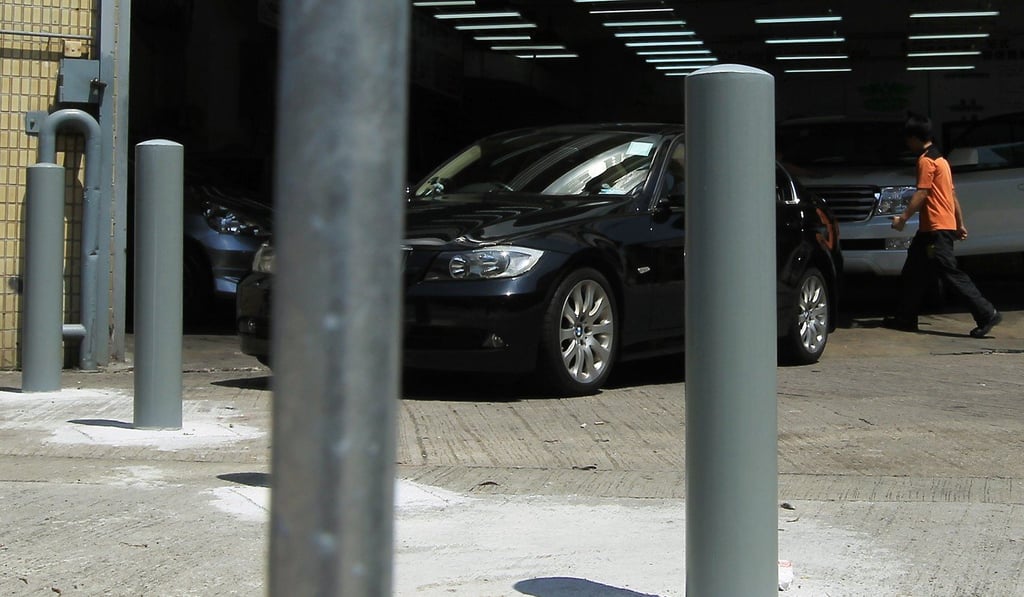
Daniel Bould, an Asia-focused crisis management expert, said Singapore was “the leading nation in Asia” in terms of using architectural landscaping to mitigate the risk of terror attacks. Airports in the Lion City and Hong Kong used “cleverly designed” landscaping including beautified barriers and street side curbs with features that deter vehicle attacks, said Bould, the regional director for crisis management at the global risk management firm Aon.
Still, “there should be no illusions about the threat of such attacks... it’s not a question of ‘if’ but ‘when’,” he said. The Lion City this year will pass a law that will mandate enhanced protection measures for key buildings, and for new infrastructure projects to undergo a security assessment phase.