OpinionAfter all that embracing, has US left India out in the cold over standoff with China?
India’s ‘natural ally’ has maintained a baffling silence on the Doklam dispute

What’s at stake for China as unsure Modi meets unpredictable Trump?
For well over a decade, both Indian and American commentators and analysts have argued about the growing strategic convergence between India and the US. Though neither side has explicitly stated as much, it is tacitly understood that they share a common set of concerns about the rapid rise of China in Asia and its possible adverse consequences for regional order. This was first reflected in the US decision to consummate the US-India nuclear agreement during the second George W. Bush administration. Once in place, it led to the lifting of a raft of sanctions that the US and its allies had imposed on India.
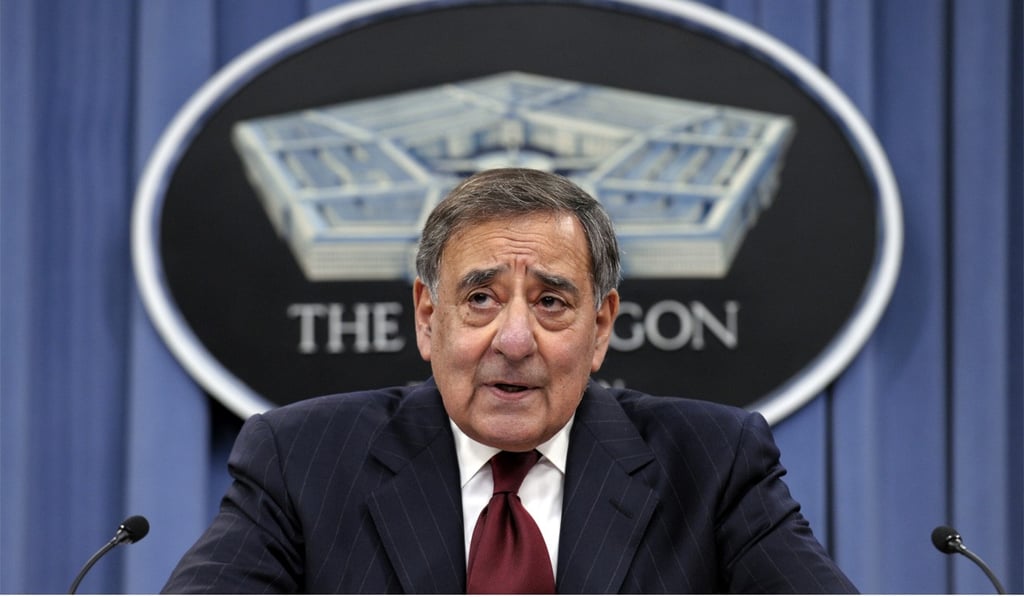
Subsequently, after an initial fitful outreach towards India on the part of the Obama administration, the US came to see India as a critical player in the US pivot or rebalancing strategy towards Asia. Obama’s secretary of defence Leon Panetta, while on a visit to India in 2012, even referred to the country as the linchpin of the strategy. Not a single Cabinet member of the last Indian government, several of whom harboured misgivings about too close a relationship the US, publicly took issue with this characterisation.
India’s got itself into a fine mess in Doklam, it’s time to get out and let China and Bhutan work it out
India’s China policy off target, says Modi’s Mandarin-speaking ‘guided missile’
What then explains the seeming unwillingness of the administration to adopt a more clear-cut stance on an issue that seriously concerns the national security interests of a country with which it has had a growing strategic relationship? Given the paucity of public statements from the higher levels of the Trump administration, an answer needs to be constructed mostly on the basis of inference and attribution.