Indonesia was supposed to be embracing freedom. What happened?
The toppling of dictator Suharto ushered in an era of enlightenment that put the country on the road to democracy. Two decades later, rights groups fear it is regressing to its dark past

Laws guaranteeing a free press and the protection of rights to freedom of expression and peaceful assembly were passed in the immediate aftermath of Suharto’s downfall in 1998 – a so-called reformasi (reformation) that was meant to draw a line under the decades of repression that had seen critics of the regime routinely jailed. And for a while, those hopes looked justified, as the country saw a boom in the number of publications and the public embraced its right to protest.
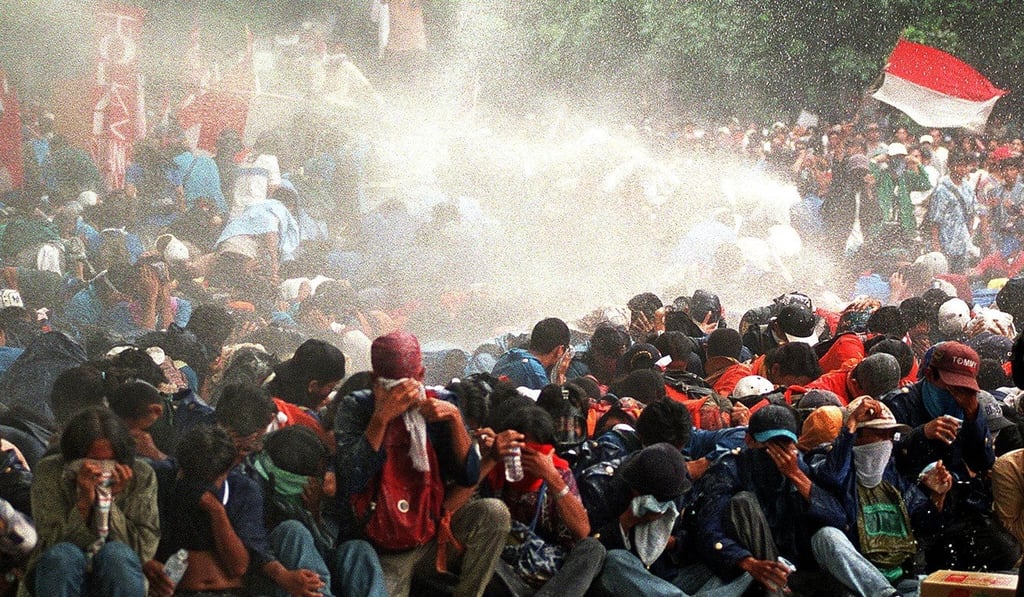
Yet today, amid rising racial and religious tensions, many Indonesians fear the country is regressing towards its dark past, censoring debate about its former troubles, suppressing leftist political discourse and persisting with hardline defamation and blasphemy laws widely seen as blotting its human rights record. The latest incident to concern rights groups was a move by security forces to disband a public event held by the International People Tribunal this month to discuss the 1965-1966 mass killings that brought Suharto to power.
Rights groups say there have been at least 39 cases since 2015 in which authorities moved to disband events aimed at raising awareness about the massacre. In other cases, vigilante groups have threatened such discussions with seeming impunity from the police.
Why did all 7-Elevens in Jakarta suddenly disappear?
“These actions are a clear violation of the rights to freedom of expression and peaceful assembly,” Amnesty International said. “President Joko Widodo must immediately end all forms of restrictions against public discussions in relation to the events of 1965 and ensure that the government starts listening to victims and others, instead of suppressing their voices.”