We didn’t have much, we lost it all: Marawi to Tent City, one refugee family’s story
Ali Nur is one of an estimated 40,000 people living in refugee camps in Mindanao, his former life a casualty of the fighting between Philippine government forces and terrorists linked to Islamic State

“On the first day, we weren’t too bothered because it was just gunshots. Marawi has always been very chaotic: family feuds or fights over women and money. They’re called rido (honour killings). When it’s a rido, the police don’t bother following up.”
Ali Nur, 25, a heavily-tattooed, well-built pedi-cab driver speaks in monosyllables. Glancing at Orick, his wife, he rubs his forehead and eyes irritably as he talks about his experiences of life in Marawi City, where the Islamic State-linked Maute terrorist group has been battling Philippine government forces since May.
Orick, 30, a fruit and vegetable seller, is less expressive. Bare-headed, she quietly nurses one of their five small children.
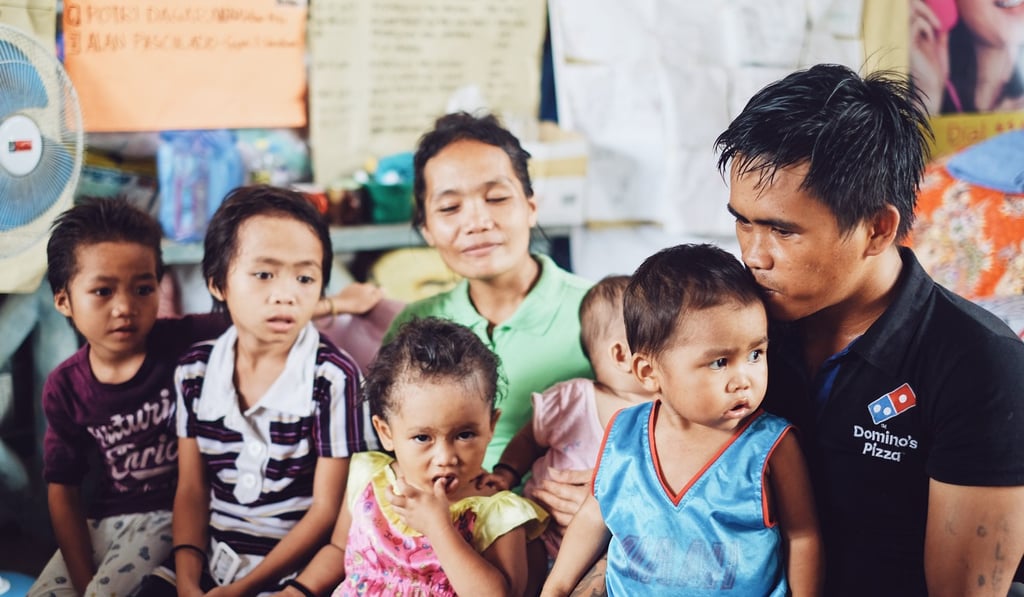
“But on the second day, when the bombing started, it was really scary. We knew we had to leave. There were blackouts so we couldn’t charge our phones. We had no food. Then, the Maute sent people out to look for men to fight.
“I hid. They even sent their women door-to-door to search for fighters.