Why are ethnic Chinese still being denied land in Indonesia?
Twenty years since the fall of Suharto, a sultanate clings to colonial era notions and a ban on ‘non natives’ owning land – raising questions as to whether the country has laid to rest its dark past of racial and religious tensions

When bicycle seller Willie Sebastian was offered a plot of land by the Indonesian government, little could he have known it was the start of a long and humiliating process that would eventually leave him not only empty-handed but feeling like a second-class citizen in the country of his birth.
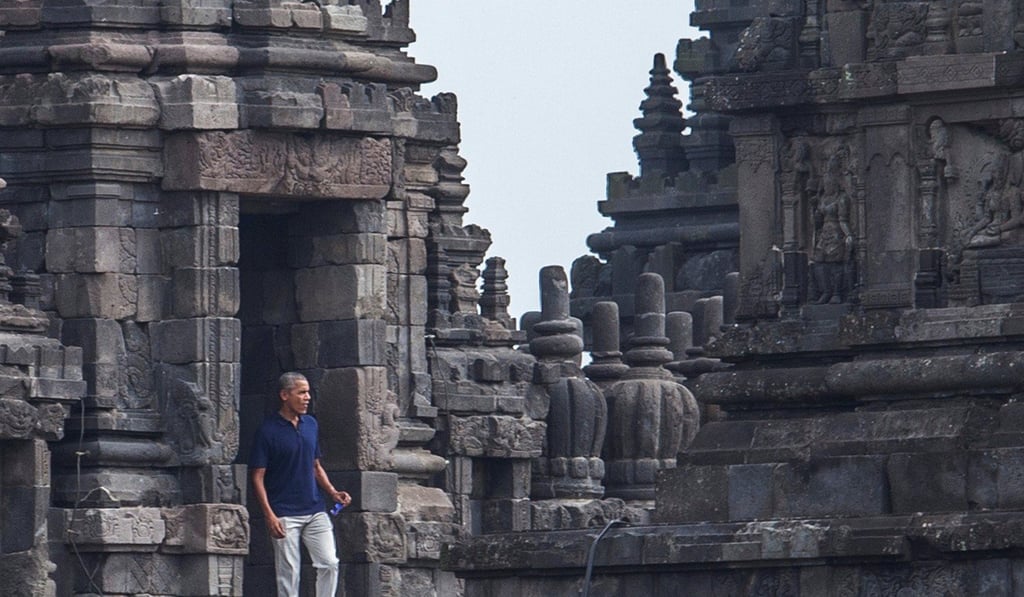
As part of a drive to beautify the area around the Prambanan temple complex in Yogyakarta – a site that has welcomed such foreign dignitaries as Barack Obama – the state government had promised Sebastian an 80-metre square plot in return for him agreeing to relocate his store. Ever the good citizen – and optimistic about his prospects in the new area – Sebastian agreed and headed for the land agency in Sleman regency. But when he arrived, the wheels fell off the deal.
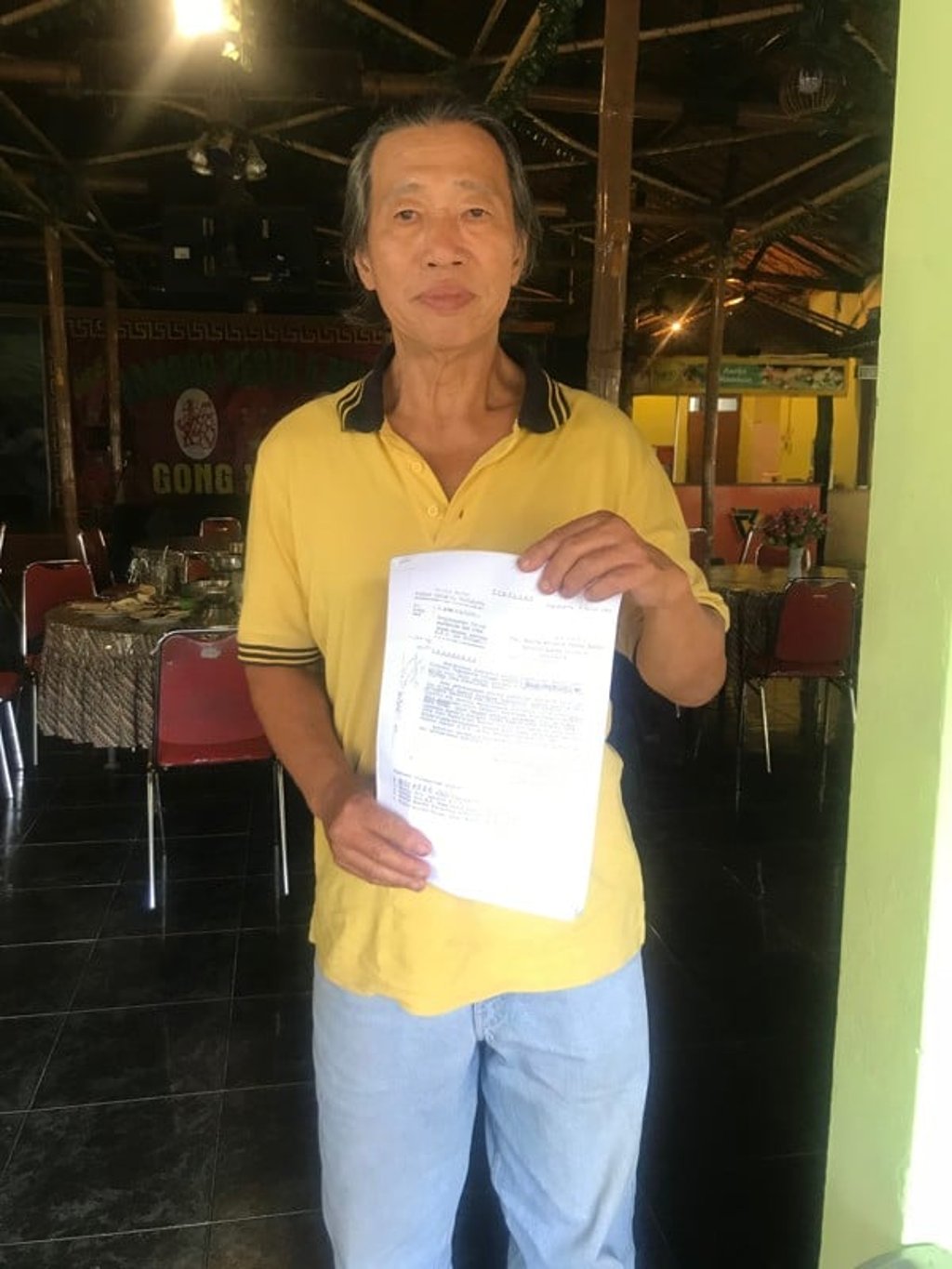
Sebastian was denied a land ownership certificate because he was a “non-native”. Instead, he was forced to sign a form relinquishing his rights to the plot. “It was very painful to see the land that we bought with our savings, from our hard work, unlawfully handed over to the government,” recalled Sebastian, 67.
He is one of countless ethnic Chinese who have been caught by an obscure policy prohibiting “non-native” ethnic groups from owning land in Yogyakarta, a special administrative region and sultanate on Java island.