Indonesian Chinese still face discrimination 20 years after Reformasi
The fall of Suharto was marked by anti-Chinese riots that killed 1,000. Twenty years on, violent repression is in the past, yet resentment of a largely Christian community in a largely Muslim country remains

When Francis Xavier Harsono applied for his first passport in 1992 he was brimming with anticipation for his first trip overseas. Back then, things were looking up for Harsono, one of Indonesia’s first contemporary artists. He had been making a name for himself with work that subtly criticised the Suharto regime and an artist-in-residency programme in Adelaide, Australia, awaited him.
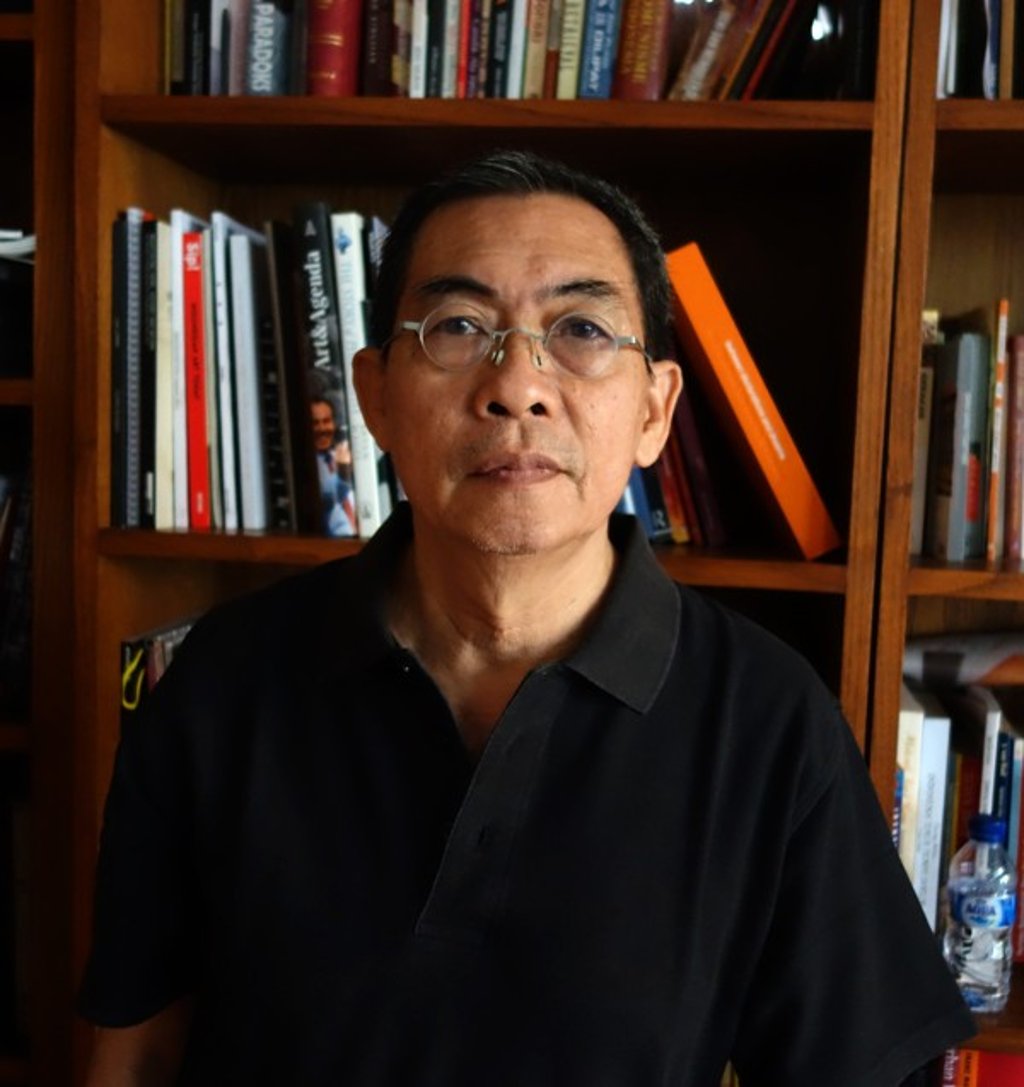
But then the bureaucrats struck. The passport office forced Harsono, an Indonesian of Chinese descent, to return to his local government office for paperwork proving his nationality. Adding insult to injury, he also had to pay a bribe of US$200 – a colossal sum at a time when a plate of fried rice from a street vendor cost a few cents. Harsono managed to satisfy the officials and went to Adelaide, but the incident stung.
“I was very angry. But I couldn’t do anything, I had to pay,” says Harsono, who goes by the name FX Harsono in his art work.
Fast-forward two decades and the blatant discrimination that marked the era of the dictator Suharto is a thing of the past. Bans on Chinese culture and language during that era were lifted in 2001. Lunar New Year is now an official holiday.