Indonesia’s reformed economy can’t quash inequality
Just two decades on from the Asian financial crisis and the fall of Suharto, the Indonesian economy has passed the trillion-dollar milestone and entered the G20. Yet ways to redistribute its wealth remain stubbornly elusive

On a sunny Friday in Denpasar, the capital of Indonesia’s Bali, a group of burly men gather at a small, gated, two-house complex across from the city’s main cathedral. Some sit outside smoking and playing with their smartphones. Some chat inside the unfurnished main house. A white SUV, a dirt bike and a shiny Harley-Davidson – with a number plate from East Java – are parked at the unkempt courtyard. A woman brings them cold water and French fries back and forth from the adjacent house.
20 years after Suharto, is Indonesia’s Reformasi a success?
Judging from their look, language and skin tone, it is clear these men are not natives of Bali. Some wear formal suits or Balinese batik shirts. They have just attended a wedding ceremony held by the governor of their hometown of East Nusa Tenggara, the country’s southernmost province some 1,500km from Denpasar.
About 50,000 East Nusa Tenggaranese live on the resort island, one of Bali’s biggest demographics. Some arrived to pursue higher education in Bali’s universities, most of the rest came to earn a living from tourism.
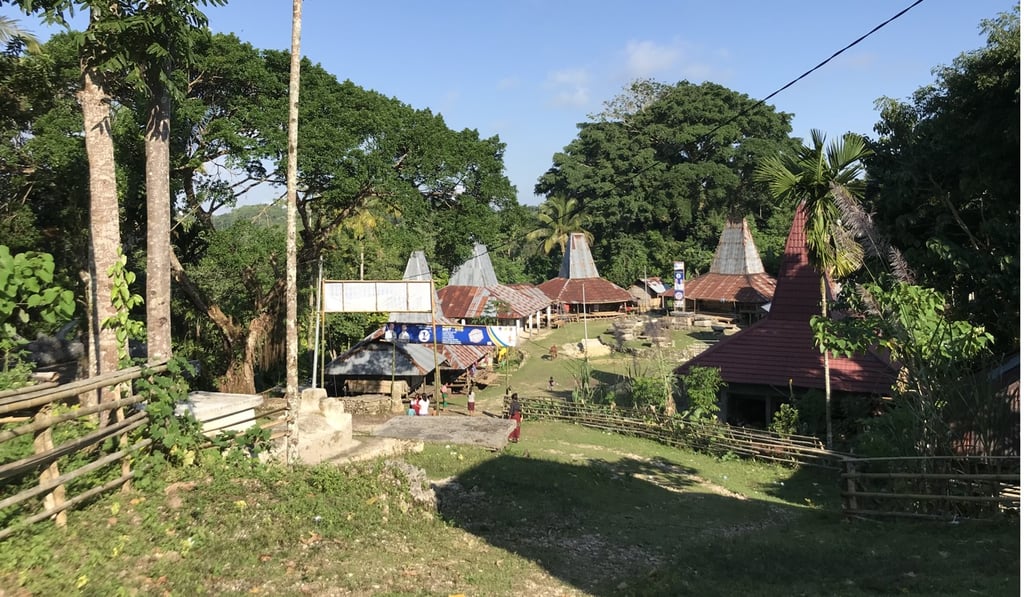
“Most people in East Nusa Tenggara work as civil servants. I wanted to be an entrepreneur so I went to Bali to study tourism and to be a chef,” says Melkianus Mesakh Boleng, who moved to Bali in 1998 from Kupang, the capital city of East Nusa Tenggara. “If I returned to East Nusa Tenggara, I could not implement what I had learned in Bali because there is no tourism industry to begin with, so I stayed here.”
Bali is the first choice for many people like Boleng who try to escape poverty and an educational lag in East Nusa Tenggara, Indonesia’s second-poorest region after remote Papua. The country has enjoyed rapid economic growth in the past two decades, following the removal of Suharto’s 32-year autocracy in 1998, a historic event widely known as Reformasi, but not all areas have shared in the success.
Can Indonesia’s Komodo dragons survive Chinese tourists?
Among the catalysts of the 1998 student-led movement was the high price of necessities such as rice, flour and sugar. Indonesia was the hardest-hit country during the 1997 Asian financial crisis, when a drastically devalued rupiah triggered a ripple effect in the economy. Many workers were laid off as companies couldn’t pay mounting debts, hitting people’s ability to afford necessities such as food and petrol. The crisis led to people demanding the nation’s wealth be spread equally across the archipelago, rather than being concentrated in Java, as it was under Suharto.