Blood sutra: whatever happened to Buddhism, religion of peace and compassion?
The emergence of radical groups like the MaBaTha that promote a Buddhism based on racial and national identity is fuelling violence across the region

Tolerance and compassion may be the qualities most often associated with Buddhism. But Asia has been witnessing a spate of violence as new Buddhist movements emerge across the region based on the idea that the religion is under threat and needs protection. Fuelled by a particularly strong sense of Buddhist identity collated with national and ethnic anxieties, this form of Buddhism – based on a localised form of the religion – evokes a rhetoric of intolerance and discrimination that justifies behaviour in stark contrast to the traditional image of peace and enlightenment.
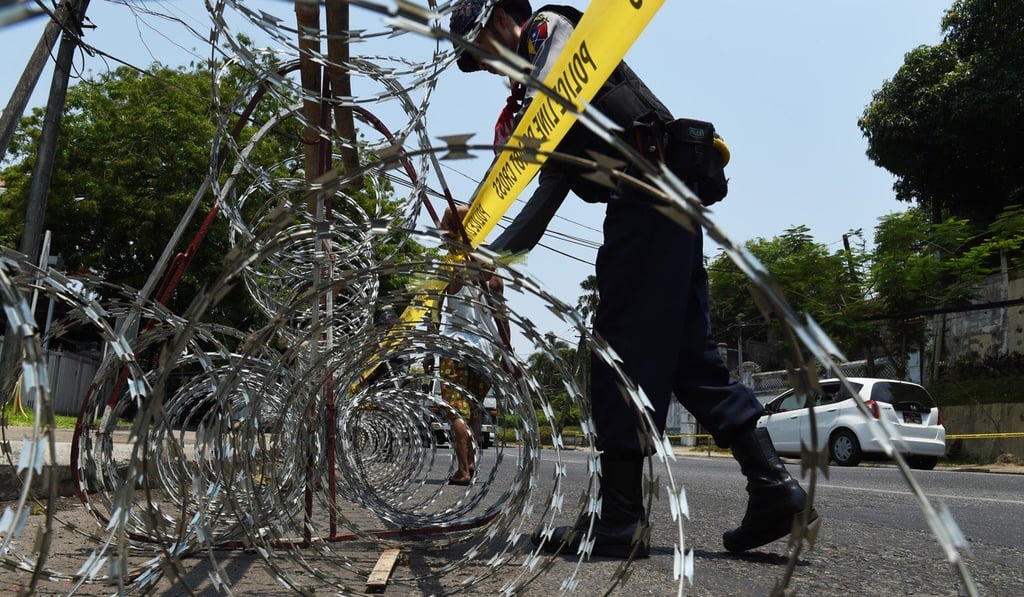
The MaBaTha grew out of various groups including an earlier nationwide organisation within Myanmar known as the 969 Movement.
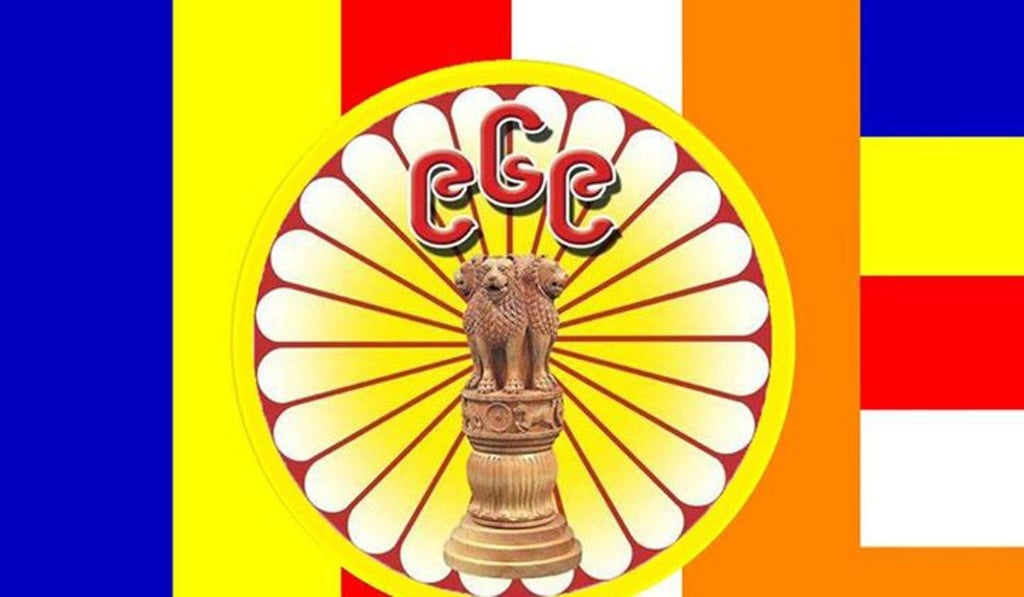
The 969 Movement encouraged Burmese citizens to frequent only Buddhist-owned businesses and purchase goods displaying the group’s symbol, which signified that the premises were owned by Buddhists. This symbol is the Buddhist or sasana flag, with the Burmese digits 969 superimposed on it.
China’s Buddhist diplomacy in Sri Lanka
This does not conform to the idea of Buddhism cherished in the popular imagination. However, if we put aside our romantic idea of Buddhism, how surprised should we be by these emerging Buddhist narratives? There is little historical evidence for an egalitarian, liberal, multicultural and secular Buddhist society other than in this imagined version of Buddhism. This is not to suggest that the extremism of MaBaTha-type movements might ever have been normal in Buddhist culture, but it would be wrong to deny that narratives of ethnic and religious identity have indeed been important factors in Buddhist societies. Over time, these have created complex Buddhist cultures that do not conform to our simplistic ideas of Buddhism.