
Early one Saturday morning in November of last year, farmer Baek Nam-gi left his home in the rural south of South Korea, and with dozens of fellow farmers, boarded a bus bound for Gwanghwamun Square, a public space in the heart of the capital, Seoul, and a frequent venue for protests.
On that day, Gwanghwamun was the site of an exceptionally tense demonstration against the conservative government of President Park Geun-hye. Baek and his colleagues were pushing for intervention in the rice market, asking the government to guarantee purchase of excess supply in order to keep prices up. The farmers said that with bumper harvests causing a supply glut, prices had fallen so low they were barely scraping by.
Hyundai’s largest-ever strike is dangerous for South Korea. Here’s why
That day’s protests turned violent, with dozens of arrests after activists clashed with police. By the end of the day, a haunting image of Baek was being shared widely across the Korean language internet, showing the 68-year-old splayed on his back, awash in the frothy discharge from police water cannons.
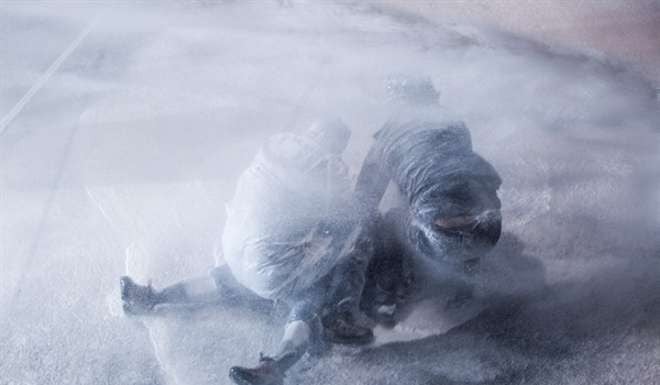
During the protest, Baek was hit by the jet from a water cannon, fell back, hit his head and lost consciousness. He was taken to hospital, and for the next several months, as he lay in a coma, his name became a rallying cry for the country’s liberal opposition as a bitter debate broke out over whether the police spraying a water cannon at protesters was a legitimate, or excessive, use of force.
No such thing as a free lunch: South Korea graft law eats into restaurants’ profits
That debate picked up momentum this week, when after nearly ten months in a coma, Baek died, his passing coming at a time when rice prices are still tumbling, and South Korea’s farmers are growing more desperate.